
Elevate Your Kitchen with Light and Dark Wood Harmony
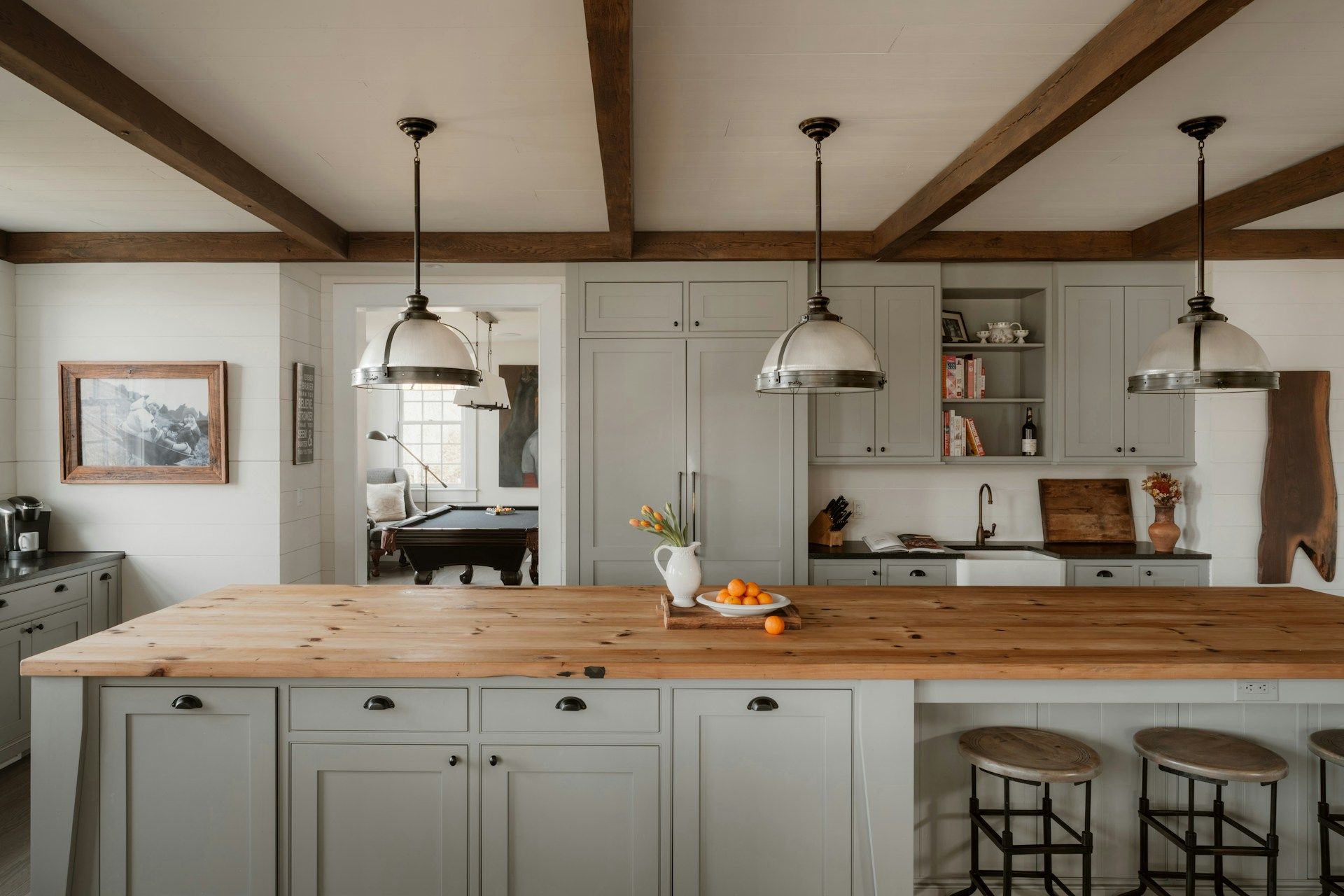
Mixing light and dark wood kitchen countertops is one of the easiest ways to make a kitchen feel custom and pulled together. It adds interest, helps break up large runs of cabinets, and gives each area of the room its own purpose and mood. When you pair the right woods in the right places, the whole space feels warm, welcoming, and intentional.
Spring and early summer are prime seasons for kitchen projects. Many homeowners want their wood kitchen countertops installed and broken in before late-year holidays and chilly weather gatherings. Blending light and dark tops lets you update the look in a way that feels current but still classic enough to last.
At The Southside Woodshop, we work with solid wood and butcher block every day, crafting made-to-order countertops, island tops, bar tops, and tabletops. With custom sizing, species, and finishes, we can help shape one mixed-wood look that feels like it was always meant for your kitchen.
Why Mix Light and Dark Wood Countertops in One Kitchen
Using only one wood tone across every surface can sometimes make a kitchen feel flat. When you combine a light wood with a darker one, the room gains depth and a natural sense of balance.
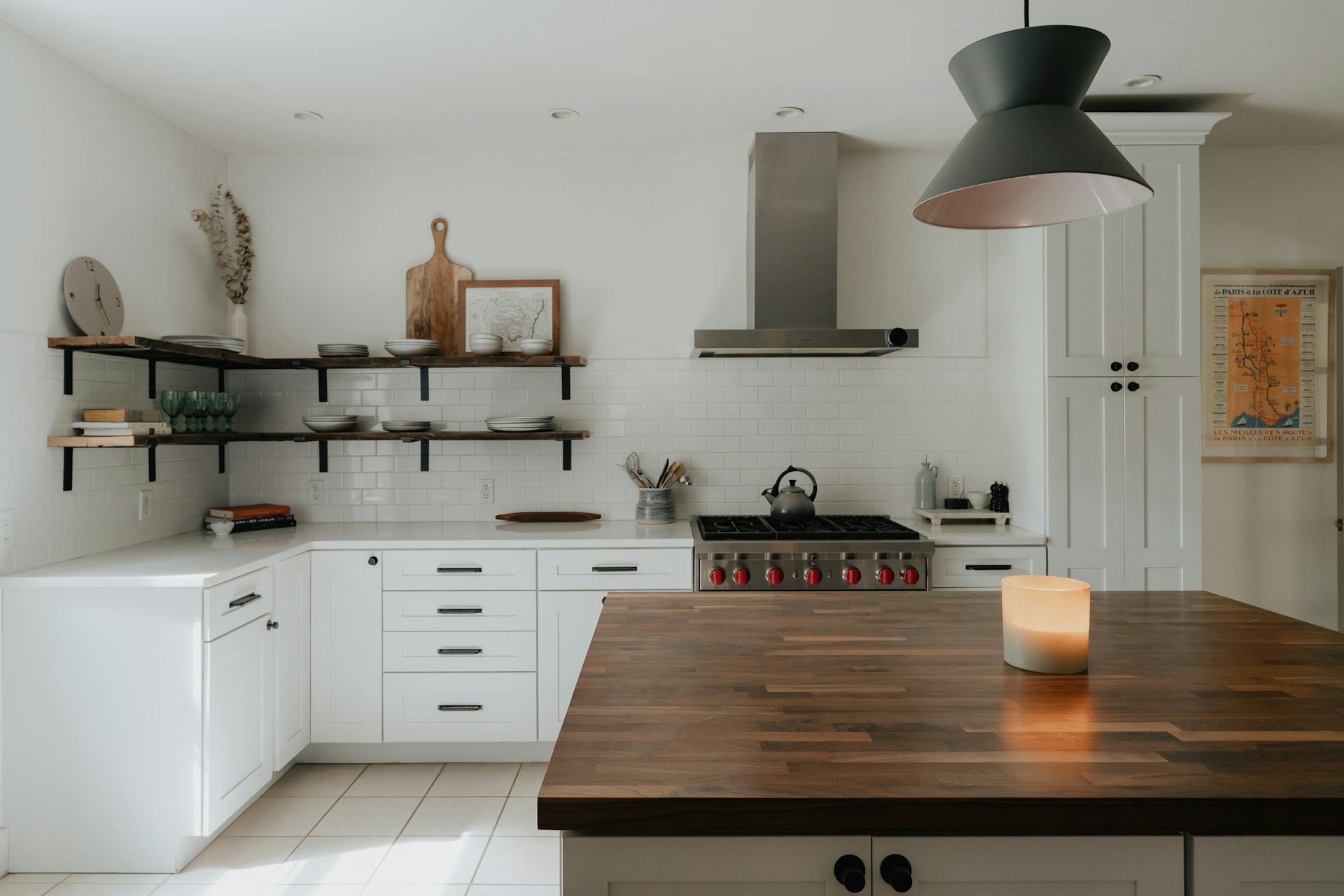
For example, pairing a light maple perimeter counter with a rich walnut island can:
- Create contrast that makes cabinets and backsplashes stand out
- Anchor the center of the room so the island feels like a true gathering spot
- Keep wall spaces bright while adding drama in the middle
Mixed tones are also great for function. Different wood areas can hint at different tasks without adding labels or signs.
You might:
- Use a butcher block island as the main prep zone
- Keep a smoother, sealed solid wood top on a baking counter or serving area
- Choose a darker bar top where snacks and drinks land often
This color zoning helps the kitchen feel organized, even when plenty is happening at once.
There is also flexibility over time. A light and dark wood combo works with many styles. If your kitchen starts with a farmhouse feel, you can shift to more modern hardware and lighting later, and the wood still fits. If your taste moves from very traditional to more simple and clean, the contrast in the counters still looks at home.
Choosing the Right Woods for Light and Dark Countertops
The woods you choose set the mood and affect how your surfaces handle daily life. Some species feel bright and airy. Others feel deep and rich.
Popular light hardwoods for kitchen counters include:
- Maple, smooth and clean, great for a fresh, bright look
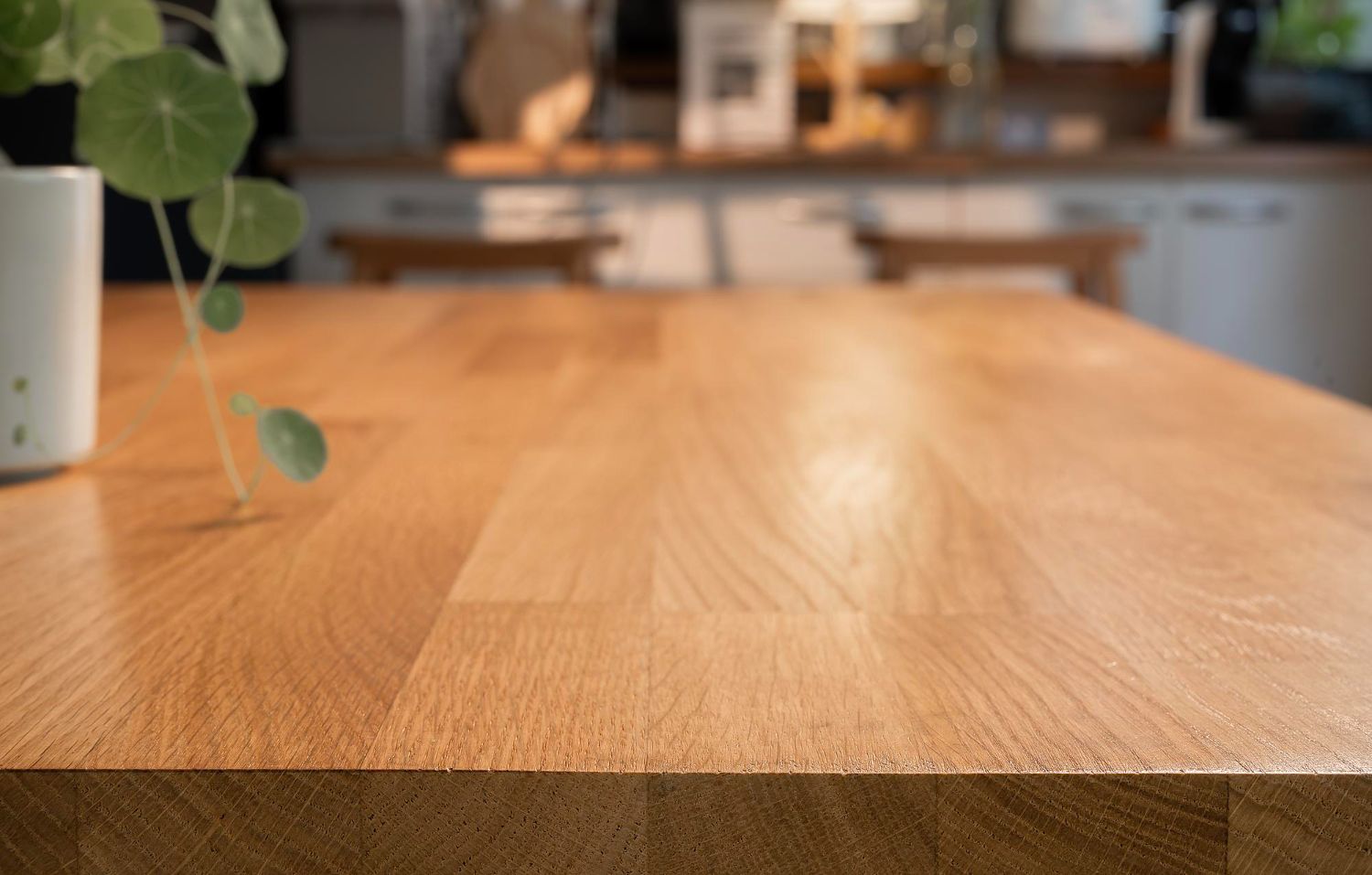
- White oak, warm in tone with a gentle grain pattern
- Ash, light in color with a bit more visible grain for interest
These woods work well on long perimeter runs or large islands when you want the room to stay open instead of heavy.
For darker tones, many homeowners are drawn to:
- Walnut, known for its chocolate browns and flowing grain
- Cherry, which deepens with age into a warm, reddish brown
- Hickory in darker stains, with lots of character in the grain
Darker tops are popular for islands, bar tops, and accent sections. They can help hide some everyday wear and give the space a grounded feel.
When you pick wood for your kitchen, think about how you cook and live:
- Will this surface be used for direct chopping as a butcher block countertop, or mostly for serving?
- Is this a busy family zone with constant traffic, or a quieter baking nook?
- Do you prefer a very calm grain or something more rustic and varied?
Hardness, grain movement, and color shifts over time all matter. Solid wood is a natural material, so it will respond to light, humidity, and use. Matching the wood to the job helps you enjoy both the light and dark areas for many years.
Design Strategies for a Cohesive Mixed-Wood Kitchen
The key to mixed wood tones is planning so the room feels unified, not random. One simple rule is to place dark where you want focus and light where you want openness.
A few smart layouts include:
- Dark island top with light perimeter counters to draw everyone to the center
- Dark bar or peninsula with lighter main counters so the serving area stands out
- Light wood on upper-level surfaces, like a raised baking station, with darker wood on the lower island
Your cabinets, flooring, and lighting all play a big part. Before choosing final woods, it helps to put samples next to your cabinet doors and floor. Look at them in the morning light, bright midday sun, and evening with overhead lights on. In a place like Portsmouth and across much of the country, longer daylight in spring and summer can make warm tones feel stronger and cool tones look crisper. You want the light and dark woods to share similar undertones so they sit well together.
Finish and edge details also pull the whole look together. Even if you mix:
- Light maple in edge grain for a butcher block island
- Dark walnut in face grain for a bar top
You can still repeat certain elements, like:
- Matching or complementary edge profiles
- Similar sheen levels, either more satin or a bit more gloss
- Consistent corner shapes and overhangs
Those small choices make the kitchen feel like one design instead of a collection of separate pieces.
Everyday Care for Both Light and Dark Wood Countertops
Good care keeps your mixed wood kitchen countertops looking warm and welcoming. The exact routine depends on whether your tops are finished for food prep with oil, or sealed with a film finish.
For most wood countertops, simple daily habits go a long way:
- Wipe spills quickly with a soft cloth
- Use trivets and hot pads to protect from direct heat
- Use cutting boards on sealed tops, even if you have a separate butcher block zone
Seasonal upkeep matters too, especially before heavy-use times like summer cookouts and holiday cooking. Oiled butcher block often needs fresh oil or conditioner so it stays protected from moisture. Sealed tops may only need basic cleaning, but watching for worn spots near sinks is helpful.
Light woods can show stains more easily, while dark woods can highlight dust or mineral spots from water. Keeping a gentle cleaner on hand for daily wipe-downs helps both tones stay fresh. For small marks or rough areas, light sanding and refinishing can often refresh a spot, which is one of the big advantages of solid wood and butcher block.
Over the long term, wood tops can usually be sanded and refinished more fully if needed. That means your mixed-tone design is not a one-season trend. You can renew it as styles shift, lighting changes, or your family uses the space in new ways.
Plan Your Custom Mixed-Wood Countertop Project Today
A good starting point is to look at your kitchen and think in zones. Where do you prep and chop? Where do people sit and talk? Where do you bake or set out food for gatherings? Once you map those areas, it becomes easier to decide which should be light, which should be dark, and which should be butcher block.
At The Southside Woodshop here in Portsmouth, VA, we craft custom solid wood and butcher block countertops, island tops, bar tops, and tabletops in a range of premium hardwoods. With choices in species, thickness, grain style, edge profiles, and finishes, we can help you shape a light-and-dark wood combination that fits your layout, your habits, and your plans for the coming seasons.
Get Started With Your Project Today
Transform your kitchen with custom craftsmanship that matches your style and daily routine. Explore our range of
wood kitchen countertops to find the ideal fit for your space, from classic to contemporary designs. At The Southside Woodshop, we work with you to refine every detail so your new countertops feel both beautiful and practical. Reach out today so we can help you plan your next upgrade with confidence.
Share Article
Our Latest Spotlight!