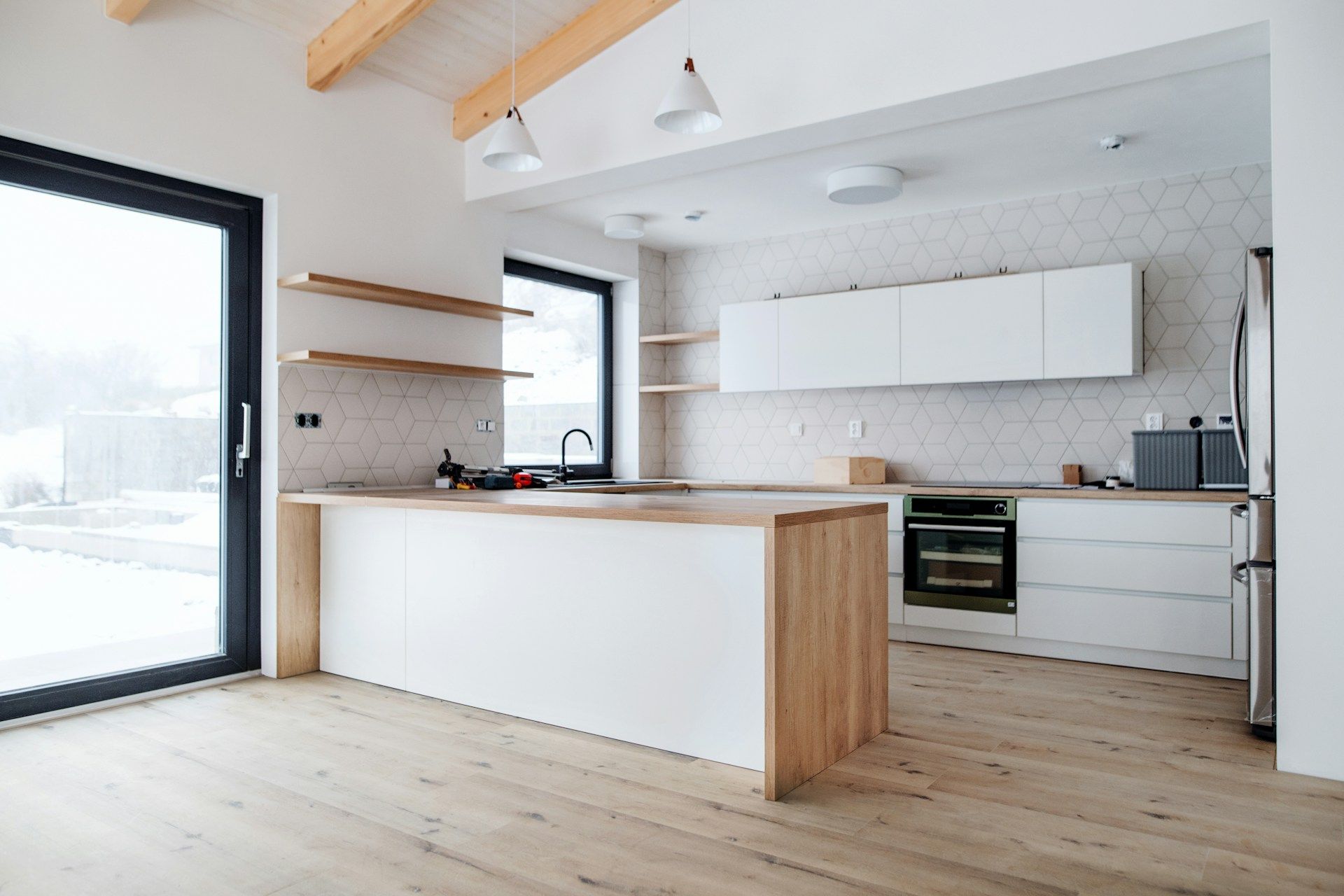

When the weather starts to cool down and the air gets drier, some things in your kitchen may shift without you even noticing. One of the most common is a large butcher block. Wood can expand and contract with seasonal changes, and that movement can cause even a well-made surface to warp if it’s not built or maintained the right way. That’s why it makes a big difference to choose your butcher block thinking ahead to how it will handle fall conditions.
If you’re thinking about adding a large butcher block to your kitchen, or already have one in place, a few details can help it stay strong, steady, and smooth all season. It doesn’t take anything complicated, just a little smart planning and care upfront. Let’s look at the key things to keep in mind.
Focus on Wood Type and Grain Direction
Not all wood is the same when it comes to handling seasonal changes. Some kinds are less likely to expand or shrink, which makes a big difference when the temperatures start to swing. Dense hardwoods like maple, walnut, or cherry tend to do well in these conditions. Their tighter grain gives them more depth and weight, and they’re less likely to bend or twist under stress from dry air.
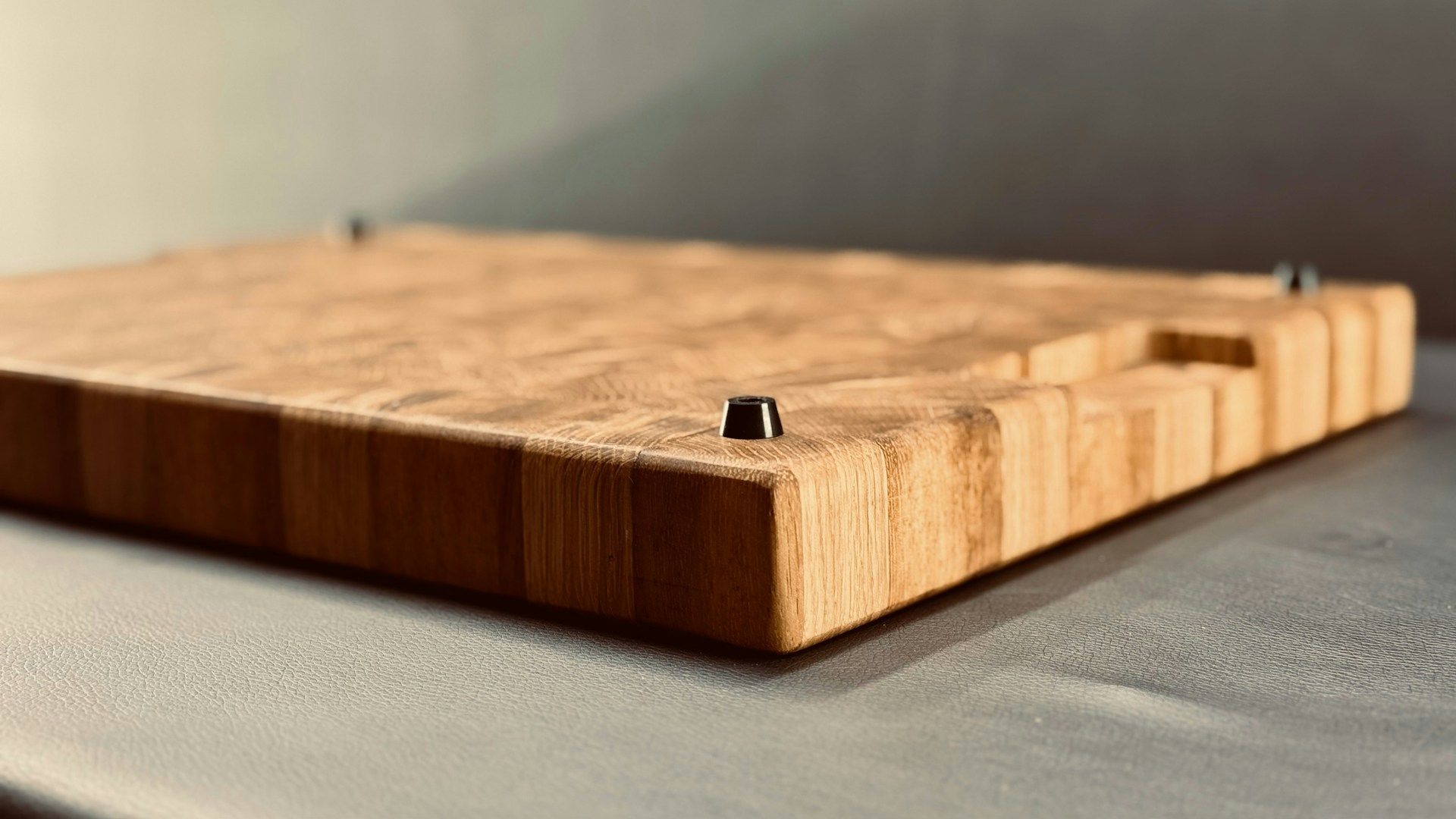
The way the wood is cut and joined also plays a role. With butcher blocks, the most common options are end grain and edge grain. End grain means the surface shows the ends of the wood fibers, which usually makes it thicker and more durable. It can bounce back from knife marks and tends to hide scratches. Edge grain, on the other hand, shows the longer lines and usually has a smoother look. It’s often lighter and works well when you want a cleaner, sleeker look. While both types are strong, edge grain may be a bit more sensitive to sudden changes in humidity, especially across a wider surface.
Domestic woods like maple and walnut offer a great balance of style and stability. They’re more familiar with local climates, which helps them react better to fall shifts. Exotic woods can still work, but they may need more attention depending on where you live. At The Southside Woodshop, every butcher block is handcrafted from premium domestic or exotic hardwoods, allowing customers to choose species and grain patterns that best fit their home and climate.
Why Seasonal Shrinkage and Swelling Happens
Wood is always moving, even after it’s been dried and shaped. In the fall, cooler days and lower humidity levels can cause it to shrink as it gives off moisture. Then, when temperatures go up again or indoor heating kicks in, the air inside might change quickly, and the wood can swell right back. This back-and-forth can cause gaps, cracks, or warping if the surface isn’t well prepared.
A large piece like a butcher block gives the wood more space to react. Some signs that it might be swelling or shrinking too much include corners lifting slightly, a bow or wave in the surface, or small splits around the joints. These are natural responses, but they point to a block that’s reacting more than it should.
Planning ahead with the right materials and setup makes a big difference. When the block is made to account for movement, it stops problems before they start.
Choosing the Right Finish for Fall Protection
One way to help your block stay flat and steady is by locking in the moisture level. A good finish does that by sealing the surface. Finishes add a layer that keeps water out but still lets the block breathe enough to adjust gently with the weather.
There are food-safe oils that get soaked into the wood to keep it conditioned and stop it from drying too much. There are also hardening sealers that build a smooth layer on top to act like a barrier. Both types can help keep a large butcher block from reacting too quickly to sudden fall changes.
You’ll know when it’s time for a fresh coat when the surface starts looking dry or rough and doesn’t feel smooth when you run your hand across it. A quick refresher at the start of the season can go a long way.
For lasting performance, we offer a range of custom finishes suitable for every use, including mineral oil, oil and beeswax, and more durable commercial-grade options. These food-safe finishes help protect against fluctuating humidity while supporting the natural appearance of your wood.
Don’t Forget the Base or Mounting Surface
Even the best-made butcher block can warp if it’s sitting on an unsteady base. A surface that’s not level or doesn’t have good support underneath might let the block start to twist or curve, especially if it’s wide or sees a lot of use.
Making sure the base is flat and strong keeps pressure even across the whole block. You’ll want to watch airflow under the block as well. A surface that’s tightly sealed off with no room to breathe can trap moisture on one side, causing the bottom to react differently than the top.
The more often you use the block for chopping, cooking, or serving, the more you’ll want it installed in a way that holds steady and doesn’t allow for slow shifts over time. For custom installations, we can create butcher blocks sized, edged, and milled to exact specifications, supporting a stable and beautiful result for your kitchen.
Keep It Level: Managing Moisture Indoors
Even though we can’t control the weather outside, we can help balance what’s happening inside. That plays a big role in how the wood behaves this time of year. When fall kicks in, many of us start using heat again, and that can dry out rooms quickly.
To help hold steady indoor conditions:
- Use a small humidifier if the air feels extra dry
- Avoid placing the block near direct heat or vents
- Open windows for short periods when the weather allows to help balance airflow
- Don’t let water sit on the surface longer than needed, especially after cleaning
These steps don’t take much time, but they go a long way toward keeping the butcher block from buckling or shifting.
Ready for Fall: Why Material and Craftsmanship Matter
Choosing a large butcher block with the right structural and aesthetic features will give you peace of mind as the seasons change. Hand-selecting premium hardwood, picking the ideal finish, and mounting it on a steady base make the difference between a block that weathers fall in stride and one that warps unexpectedly.
Your kitchen is at its best when your work surfaces are both functional and beautiful. Planning ahead helps you enjoy a worry-free season filled with all the warmth and activity that fall brings into your home.
Thinking about bringing the warmth and function of a
large butcher block into your home? Fall is the perfect season to plan, as wood responds uniquely to changing conditions indoors. Our team at The Southside Woodshop guides you from choosing durable materials to understanding seasonal finishes so your investment stays strong through every kitchen routine. Contact us to discuss your space and find out what will work best for your needs.
Share Article
Our Latest Spotlight!