
Tips for Protecting Butcher Block Countertops in Damp Winter Weather
January 18, 2026
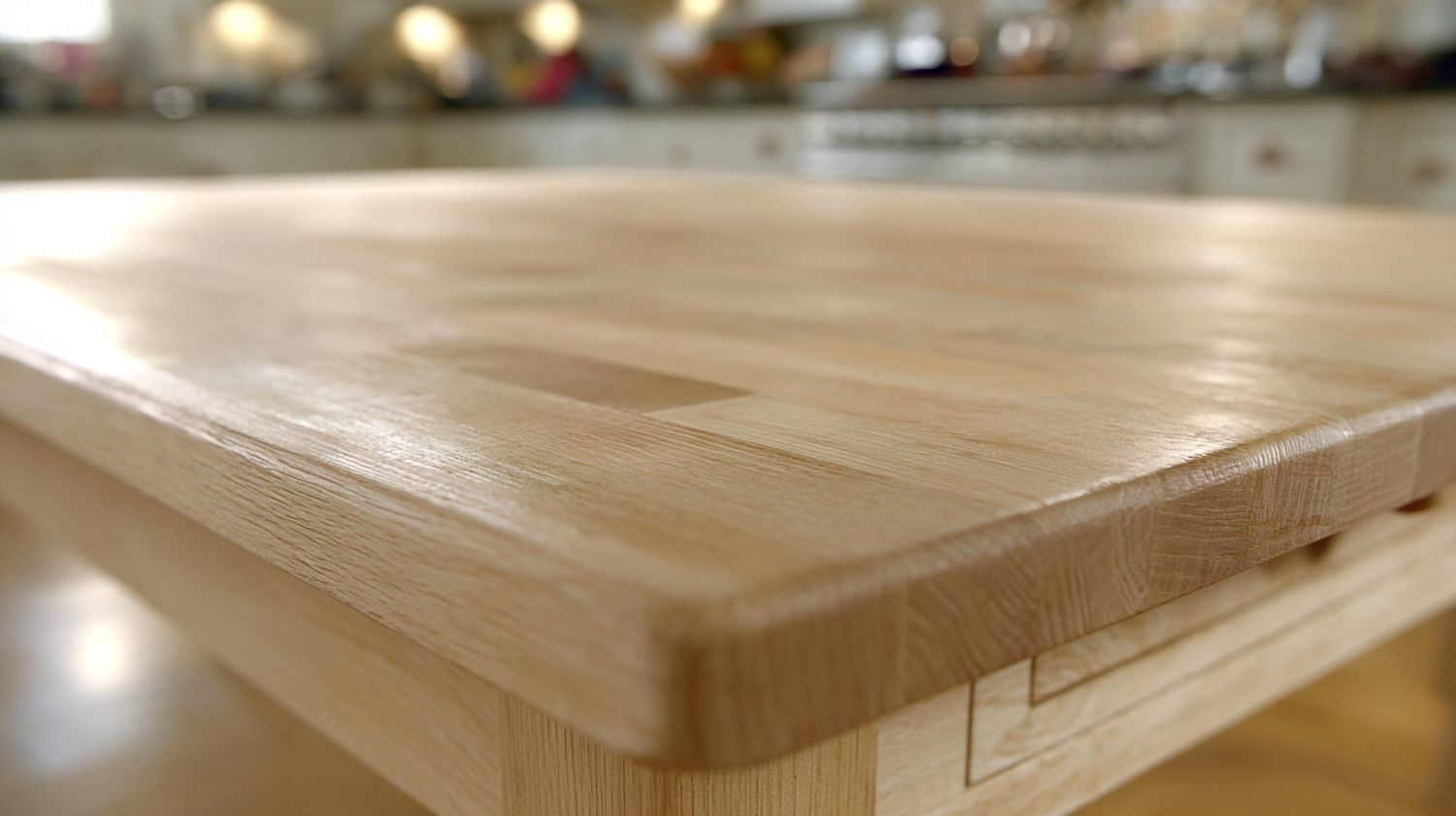
Cold weather brings lots of changes, especially inside the home. Wet coats drip by the door, windows fog up, and the air starts to feel dry and heavy all at once. While we keep warm, our wood surfaces deal with the back and forth of indoor heat, outdoor chill, and damp air. Butcher block countertops, in particular, need a little support during the winter months.
These surfaces may seem strong on the outside, but natural wood moves and changes with the seasons. A little water here and dry air there can turn into stains, cracks, or warping later. The goal is simple: keep your butcher block countertops looking good and working hard from now through the last frost. A few smart habits can go a long way in getting them through the season in great shape.
Know What Winter Moisture Can Do
Cold months bring more than just lower temps. There’s extra humidity indoors from hot showers, steamy meals, and snow or rain we track inside. These changes may not seem like much, but they affect how wood behaves over time.
Wood acts like a sponge. It pulls in water when things are damp and dries out when the air is warm and low on moisture. In winter, that push and pull happens more often. A few signs of winter wear to watch for include:
• Raised or rough patches that feel different when you slide your hand across
• Dark spots or uneven color that often show up near sinks or entryways
• Edges or corners that don’t feel flush anymore
This shifting happens naturally, but too much of it can cause lasting damage. Once the shape changes or deep stains set in, it is tough to bring the surface back. That's why winter prep is more about prevention than cleanup.
Keep Surfaces Dry After Use
During winter, water finds its way onto nearly every surface. Snow boots melt near the kitchen door, food prep leaves wet spots by the sink, and cups often sweat onto counters. Letting that moisture sit on the butcher block isn’t a good idea.
Get into the habit of a quick wipe. It takes just a few seconds to grab a soft towel and dry off the wood, especially in spots that stay damp longer. Pay extra attention to:
• Areas around the sink, where splashes are common
• Places near windows, where condensation can drip down
• Anywhere that winter gear gets dropped
It might seem small, but drying the surface often helps stop dark stains and swelling. If you're bringing in groceries on a rainy day or unloading dishes, place a clean towel underneath to catch spills. It’s simple and helps protect the wood over time.
Choose the Right Cleaning Routine
Cleaning in winter isn’t about scrubbing harder. It’s about staying gentle while keeping things fresh. The finish on butcher block needs support, not damage. Harsh cleaners can wear it down quickly.
Our suggestion is to keep things simple. Use a soft cloth with warm water and just a little dish soap if needed. Gently wipe down the wood and dry it right away. Stay away from cleaners that include bleach, alcohol, or anything heavy duty. If your countertop has our Permanent Finish in dull or satin sheen, it is completely waterproof and offers strong protection from stains and common household chemicals, while staying safe for indirect food contact. That kind of protection helps a lot when winter cooking and cleaning put more demands on your kitchen surfaces.
Consistency matters more than force. A quick clean every day or two does more good than a deep scrub once a week. If stuck-on food appears, use a damp cloth rather than a scrub pad. That approach helps the surface stay smooth and safe without exposing the wood underneath too soon.
Re-Oil When the Weather Turns Cold
Cold, dry air does more than make our skin itch. It pulls moisture out of natural wood too, which can lead to a dull, tired look or rough patches on your countertops. That’s where oiling comes in.
Re-oiling gives the butcher block the moisture it needs to handle low humidity and daily use. If your countertop starts to feel dry when you run your hand over it, or if the surface looks faded or uneven, it might be time to give it some extra care. For tops finished with food safe mineral oil, we recommend refresher coats roughly every one to two months, depending on how often you cook and the conditions in your home. We include the first bottle of food safe mineral oil with your countertop so you already have what you need for this kind of upkeep.
Look for these signs:
• A chalky or pale look instead of the usual warm finish
• A surface that feels rough, not smooth
• Water stops beading up and starts soaking in instead
The right timing depends on your space and how often the surface gets used. Kitchens with lots of cooking might need oiling more often than ones used mostly for light prep. A general guide is once every few weeks during winter, but keep an eye on the wood itself. It usually tells you when it's ready.
Watch Out for Indoor Humidity Swings
While it’s cold outside, we tend to blast the heat indoors. That comfort can lead to big swings in humidity levels, which wood doesn't always handle well. Too dry, and it starts shrinking or cracking. Too damp, and it swells.
Managing indoor comfort means thinking about more than temperature. Here are a few ways to keep humidity steady:
• Use a small humidifier to balance out dry, heated air
• Keep the butcher block away from vents or heaters if possible
• Don’t leave hot items, like pans or mugs, sitting on the wood
Even opening windows for a short time on mild days helps even things out. You want the space around your countertop to stay steady, not shift too quickly. That balance makes it easier for the wood to stay in its natural shape.
Make Them Last Through the Season
Winter doesn’t have to be harsh on your butcher block. With steady habits like drying off water, gentle cleaning, and oiling when needed, you help the wood do what it’s made to do: stay strong, smooth, and useful. Small changes in care now can save you time and stress down the road.
Our goal is to help the countertop look good and feel solid from now all the way through spring. The best part is, these habits don’t take much time, but they make a big difference. When the heat comes back and the windows open for good, your butcher block will still be standing strong right where you need it.
For help choosing a care routine that suits your kitchen and lifestyle, we’re here to offer guidance. At The Southside Woodshop, we understand how to work with real wood through all types of weather. Our installation and care guide shares step-by-step installation instructions and detailed care recommendations that help prevent warping, cracking, and splitting as conditions change throughout the year.
At The Southside Woodshop, we’ve seen how seasonal changes affect real wood and know that good care makes a big difference. Whether you’re dealing with daily spills, dry air, or big swings in temperature, your approach matters. If you're looking for more help keeping your butcher block countertops in great shape this winter, we’ve put together some support to help guide you through it. From finish tips to care reminders, we’ve got resources that match the way your kitchen works. Contact us anytime with questions or to talk more about what your space needs.
Share Article
Our Latest Spotlight!