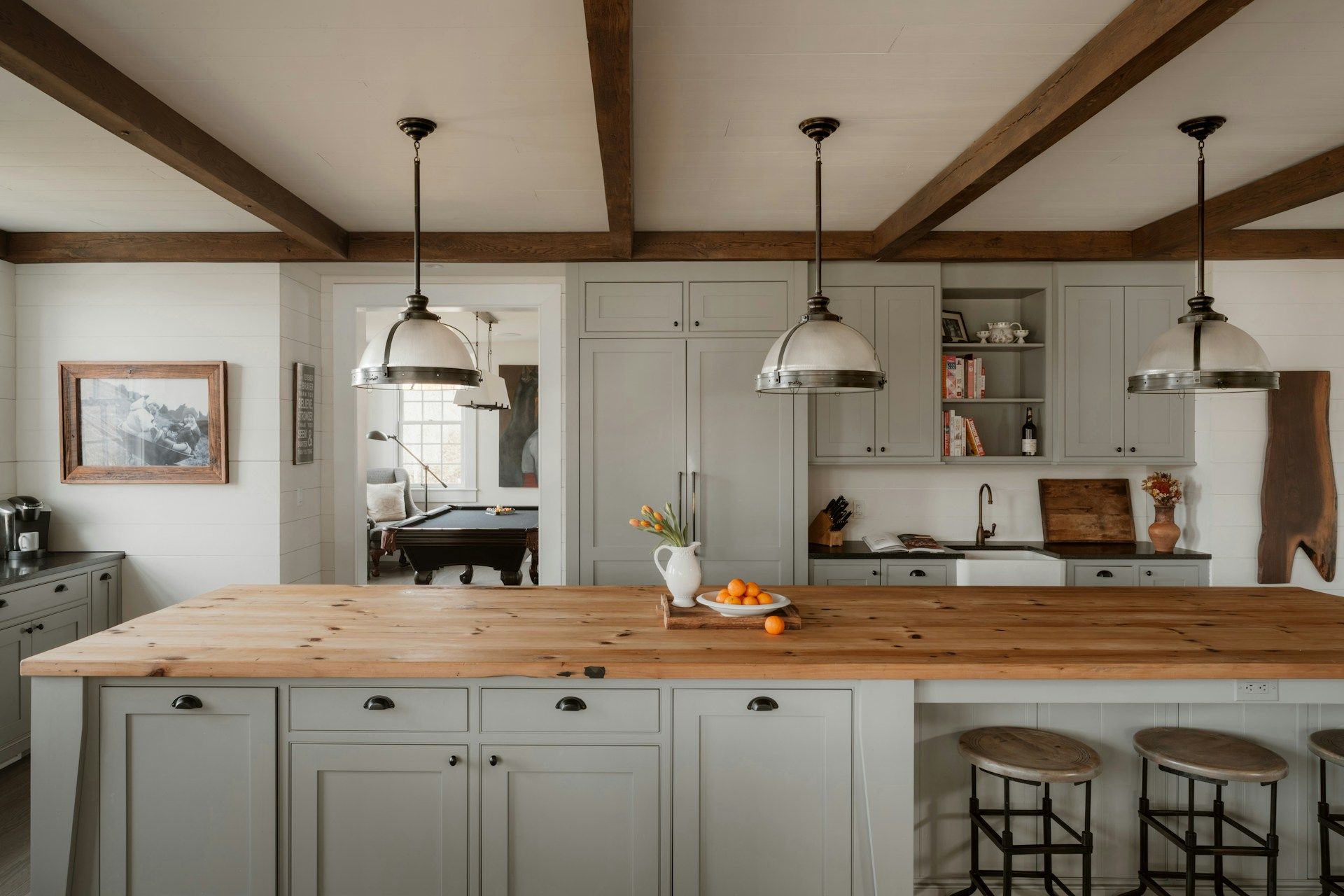

Kitchens aren't all built the same. Older houses, updated layouts, or homes with odd wall angles can make counter space hard to plan. Corners might not be square, walls might curve just a bit, and ovens or sinks may sit at strange spots. That’s where custom countertops can really help. Instead of trying to make a standard piece fit a space it clearly doesn’t, you get something shaped just right for your kitchen’s quirks.
A good fit does more than make the room look nice. It helps everything function better too. If you’ve ever tried to prep dinner with no room to move or work around a countertop that juts out at the wrong spot, you know how frustrating it gets. With the winter months keeping families indoors and around the kitchen more often, it helps to have surfaces that actually work with the space, not against it.
Finding Out What Makes the Space Challenging
Every kitchen has its tricky spots, but some are tougher than others. When there's little room to move, or the layout doesn’t follow clean lines, it’s smart to start by looking at the challenges head-on.
Some of the most common issues we run into include:
• Corner sinks that leave little counter space on either side
• Walkways that get blocked when cabinet doors open
• Counters sitting at different heights from older remodels
• Walls that don’t meet at perfect 90-degree angles
It doesn’t stop at the way things look. Think about how people move through the room. Is there enough space to walk between the counter and island? Do you bump into chairs or appliances? These things affect how well the layout works.
That’s why the measuring step is so important. Measuring doesn’t just tell you what size slab you need, it helps map how much usable space you really have. This step gives you and any builder or contractor a clearer path forward. The more exact this part is, the smoother everything goes down the road.
Choosing the Right Shape for a Better Fit
Not all countertops are straight, and they shouldn’t have to be. With oddly shaped spaces, the right shape can make a cramped kitchen feel more open and functional.
Here are a few shapes that work well in tricky layouts:
• L-shaped tops are great for wrapping around corners without wasting space
• U-shaped designs can work well in open kitchens needing a central prep zone
• Angled or gently curved edges help soften tight spots and make bumping into corners less likely
Some kitchens benefit from simple cutouts that make space for sinks, corners, or built-in appliances. Rounded corners keep things safer if someone bumps into them, which happens more in small kitchens with more foot traffic. We offer fully customized shapes and sizes, including cut-outs for sinks and appliances, plus options such as juice grooves, decorative borders, integrated knife blocks, drain slots, and waste cut-outs that can be planned around awkward walls or tight clearances.
The key is knowing how each shape changes the flow of the room. An L-shape might help anchor a corner, while a rounded bump-out on one edge might let someone prep food without getting in the way of another person passing by. No matter the shape, it should always work with how you use the kitchen each day.
Working with Smart Materials and Surface Styles
Not all wood works the same way in every kitchen. When space is tight or used heavily, picking from strong, steady materials makes a difference.
We usually think about three things here:
• How the wood stands up to regular use
• How the edge treatment feels when brushing past it
• How easy the surface is to maintain, especially in hard-to-reach areas
Hardwoods like maple, walnut, or white oak tend to perform well under pressure. They're dense enough to resist minor damage and still look natural and warm. In kitchens where space is already limited, every touchpoint matters. A well-shaped edge won't snag clothing or scrape skin. A soft curve might keep kids from hurting themselves while circling the table or reaching for a snack. For these types of projects, we use premium-grade FAS hardwood boards from responsibly managed forests, with FSC certified domestic and exotic wood species available on request. Countertops can be built in flat grain, edge grain, or end grain butcher block construction, so the structure and feel can match how you use a narrow run of counter or a tight corner.
Finishes matter too. When corners are tough to clean, surfaces that resist minor stains or hold up to regular wiping can save a lot of stress. Lower-maintenance finishes might not need frequent oiling or sanding, which helps, especially in winter when air can dry wood out quickly.
Getting the Details Right from the Start
Getting the countertop shape and design just right takes more than picking a wood type or measuring once. The surrounding details matter just as much.
A few steps help the entire process go more smoothly:
• Plan for appliances, electrical outlets, and plumbing early
• Use clear templates or mockups to test the fit before the final cut
• Ask a professional to double-check odd angles or tight joinery
Even a small outlet moved just an inch can affect where grooves, overhangs, or corners ought to be. Planning ahead avoids surprises later, especially in kitchens that have already been through a few remodels over the years.
Templates come in handy when walls aren't straight and corners aren’t perfect. A cardboard or plywood version of the final shape can uncover issues before the final build starts. And if the kitchen is older or has settled over time, nothing replaces the value of an experienced eye double-checking the tough spots.
Making Awkward Feel Easy
Kitchens with awkward layouts don’t have to stay frustrating. With the right planning and smart design, custom countertops can help make the space flow better and feel easier to use day to day.
By starting with the actual layout challenges and thinking through shape, materials, and finish, it’s possible to bring more comfort and ease into a kitchen that used to feel tight or disjointed. The right fit doesn’t just solve a problem, it shapes a better way for people to use the space every time they cook, gather, or clean up.
When done well, even the most unusual corner or curve becomes part of a kitchen that works the way it should.
Considering a better fit for your kitchen starts with evaluating your current layout. We design spaces that work around tough corners and shifting counter levels so that every element, from shape and material to finish, makes daily tasks easier and more enjoyable. Learn more about our approach to
custom countertops and discover the ideal match for your home. Have questions or want to discuss your options? Our team at The Southside Woodshop is ready to help.
Share Article
Our Latest Spotlight!