
Why Homeowners Are Choosing White Oak Right Now
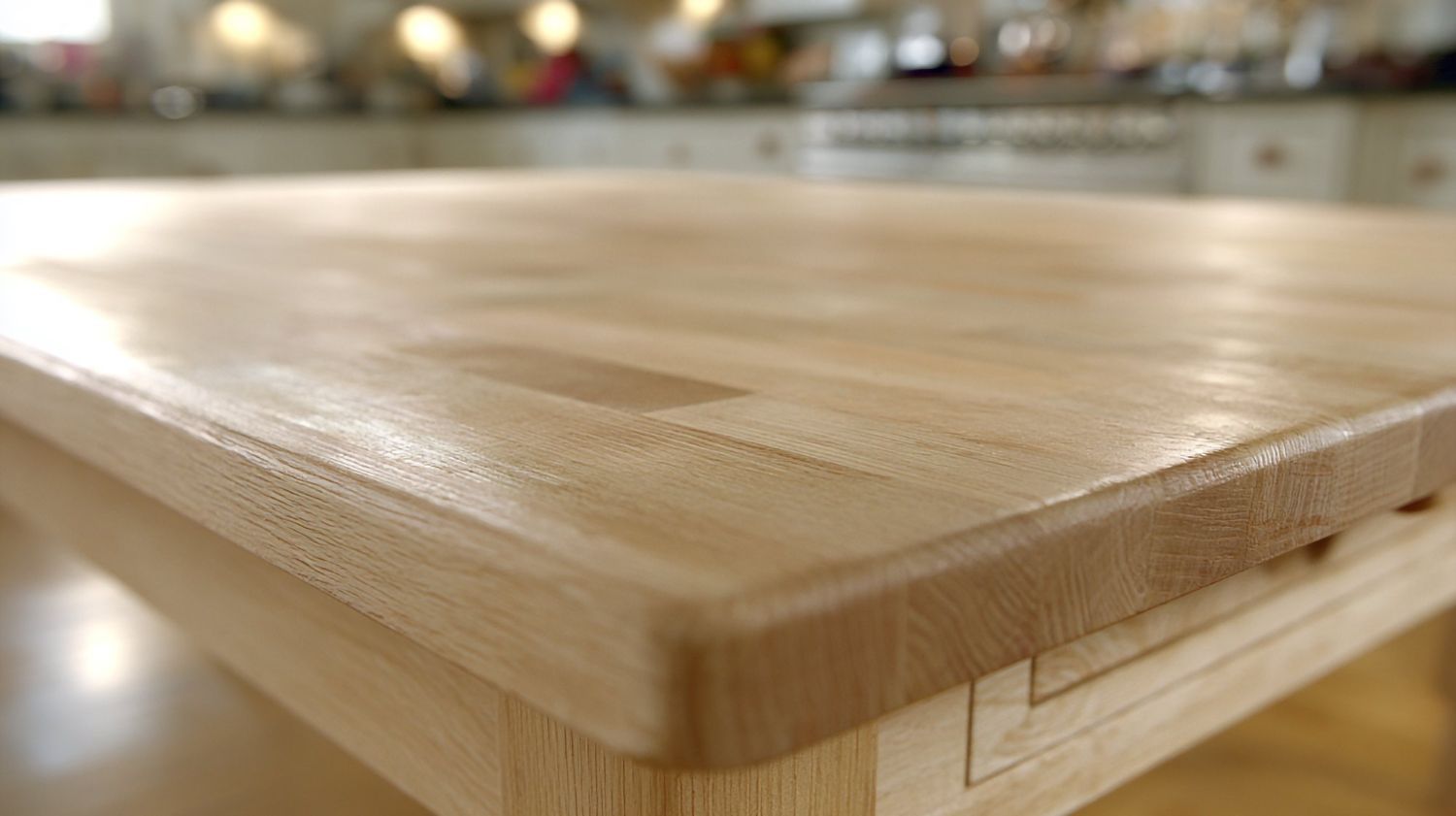
White oak countertops are getting a lot of attention, and it is not just a trend. Homeowners want kitchens that feel warm and welcoming but still hold up to heavy use. White oak hits that sweet spot. It brings a soft, natural look with serious strength, which matters when the weather cools and everyone gathers inside to cook, bake, and hang out.
As fall and the holiday season roll in, many families plan kitchen updates before guests start arriving. They want a surface that looks good with candles, pumpkins, or winter greenery, but also stands up to rolling dough, hot pans, and everyday mess. White oak offers a timeless style that works with classic and modern homes, and it pairs well with other popular woods like walnut, maple, red oak, and cherry.
At our woodshop in Portsmouth, Virginia, we work with all of these hardwoods for custom solid wood and butcher block countertops. White oak has become one of the standouts, and there are clear reasons why it feels different from the rest.
How White Oak Differs From Other Countertop Woods
White oak and walnut are both great choices, but they create very different moods. Walnut has a rich chocolate color that feels bold and dramatic. White oak runs from cooler tan to light brown, with a softer, more relaxed feel. In many kitchens, walnut shines as an accent on a smaller island or bar, while white oak can cover a larger island or full run of counters without feeling too dark or heavy.
When you compare white oak to hard maple, the differences are about both look and wear. Maple is light and very uniform, with a tight grain that can show every mark and stain. White oak has more visible grain lines and a natural pattern called ray fleck, especially in certain cuts. That extra movement in the grain can make small dents and scratches blend in more, which many busy families appreciate.
White oak also pulls ahead of red oak and some other species in a few key ways. Red oak has a more open grain, so it can be more prone to moisture getting into the wood if the finish is damaged. White oak has a closed-cell structure and natural tannins that help it resist moisture better. The color and grain of white oak also read more modern and upscale, which works well in today’s kitchens.
These differences matter when you are planning where to use each wood. For example:
- A light, airy kitchen might use white oak on the island and a darker wood like walnut on a smaller bar area
- A traditional space might use white oak for perimeter counters and maple for a butcher block baking zone
- A more modern home might use straight, linear white oak on both island and wall counters for a clean, calm look
Performance Benefits of White Oak Countertops in Busy Kitchens
White oak is a hardworking wood. On the Janka hardness scale, it sits in a range that gives good resistance to dents and wear while still being comfortable to use. That means when holiday cooking gets intense, white oak countertops do not feel delicate. They can handle heavy pots being set down, kids doing homework, and constant prep work with the right care.
Moisture resistance is one of white oak’s best traits. Its closed grain and natural tannins help it stand up better to splashes and spills than many other woods. This makes it a smart choice around:
- Kitchen sinks and dishwashers
- Coffee and drink stations
- High-traffic prep zones
Stability is another plus. When white oak is properly kiln dried and built into a well-constructed top, it handles seasonal humidity changes better than many softer or more open-grained woods. That matters in coastal areas like Hampton Roads, where humid summers and dry indoor heat in winter can cause wood to move.
There is also the feel of white oak. Compared to stone or quartz, wood is quieter and softer under plates and glassware. In open-concept spaces, that can help cut down on noise from cooking and entertaining. White oak in particular feels solid and substantial without feeling cold.
Design Styles and Finishes That Make White Oak Shine
One of the fun parts of white oak is how flexible it is with color and finish. A natural matte finish lets the tan to light brown color and grain stand out in a clean, simple way. For a different style, stains can shift white oak toward:
- Weathered or driftwood tones for coastal kitchens
- Soft gray-brown for Scandinavian or minimalist spaces
- Richer brown for a more traditional or European feel
White oak butcher block countertops can be built in different grain orientations. Edge grain runs boards on their sides so the long lines of the wood show, which gives a sleek, linear look that feels more modern. End grain, where the cut ends of boards face up, creates a checkerboard pattern that feels like a serious work surface and fits well in classic or farmhouse style kitchens.
White oak also plays nicely with many cabinet colors:
- White shaker cabinets for a bright, timeless look
- Painted blues and greens for a cozy, updated feel
- Rift-sawn oak cabinets for a wood-on-wood design with subtle contrast
- Dark or black accents and mixed metals for a modern edge
A lot of homeowners like to mix materials too. A white oak island paired with stone perimeter counters, or the other way around, creates a layered, custom look that feels designed, not cookie cutter.
Choosing White Oak for Kitchen Islands, Counters, and Bars
For kitchen islands, white oak is often a top pick. Large islands become the heart of the kitchen, used for prep, serving, and gathering. With white oak, you can choose:
- Thicker tops for a more furniture-style island
- Different edge profiles, from simple square edges to softer, rounded shapes
- Deeper overhangs where stools tuck in for casual seating
Along the walls, white oak can be used on all the perimeter counters or in focused zones. Baking areas, coffee stations, and breakfast nooks are great spots for wood because the surface feels warm and quiet. Some homeowners combine white oak with other woods like walnut or maple in different sections to create visual interest and function.
For bar tops and entertaining spaces, white oak’s grain and tone give a relaxed, welcoming feel. It works well on:
- Home bars that open to a living room
- Raised breakfast bars that separate the kitchen and dining area
- Pass-through counters that connect indoor and outdoor spaces
Custom details like sink cutouts, specific shapes to follow a wall, and finishes tuned to how you use the space all help white oak countertops fit your kitchen instead of the other way around.
Everyday Care Tips for Long‑Lasting White Oak Countertops
Day-to-day care for white oak countertops is simple when you keep up with it. Basic habits go a long way:
- Wipe with a soft cloth and mild soap
- Dry up spills instead of letting water sit
- Use cutting boards for chopping and trivets under hot pans
The type of finish matters too. Oil finishes soak into the wood and give a very natural look and feel. They may need regular re-oiling to keep the surface protected, especially in high-use areas. Film-forming finishes sit on top of the wood and can need less frequent maintenance, but any damage to the film should be handled so moisture does not get underneath.
During heavy-use times like Thanksgiving and winter holidays, it helps to:
- Keep extra cutting boards handy
- Use drying racks near sinks, so wet dishes are not sitting straight on the wood
- Avoid placing very hot pots and pans directly on the surface
Over the years, normal wear can be touched up with light sanding and refinishing when needed. One nice thing about white oak is that its grain pattern tends to hide small marks, so the top often gains character without looking beat up.
How to Decide If White Oak Is the Right Choice for You
White oak countertops are a strong match for homeowners who want a surface that feels warm and natural, holds up to busy family life, and fits both classic and modern styles. It is especially good for people who like soft, light to medium wood tones and a visible grain pattern.
A quick comparison can help you choose:
- White oak if you want light to medium color, strong grain, and good moisture resistance
- Walnut if you love deep, rich brown and a more dramatic look
- Maple if you prefer very light color and a smooth, subtle grain
Think about your cabinet color, flooring, and how much contrast you want. Also consider how you cook, where you need the most durability, and how much maintenance you are comfortable with over time. When you match the wood to your style and daily habits, your countertops will feel like they truly belong in your home.
Get Started With Your Project Today
Transform your kitchen with custom-crafted
white oak countertops designed to fit your space, style, and daily life. At The Southside Woodshop, we work closely with you to select the right cut, finish, and details so your countertop feels purposeful and enduring. Share your ideas with us, and we will guide you through every step from concept to installation. Let us help you create a surface that looks beautiful today and will age gracefully for years to come.
Share Article
Our Latest Spotlight!