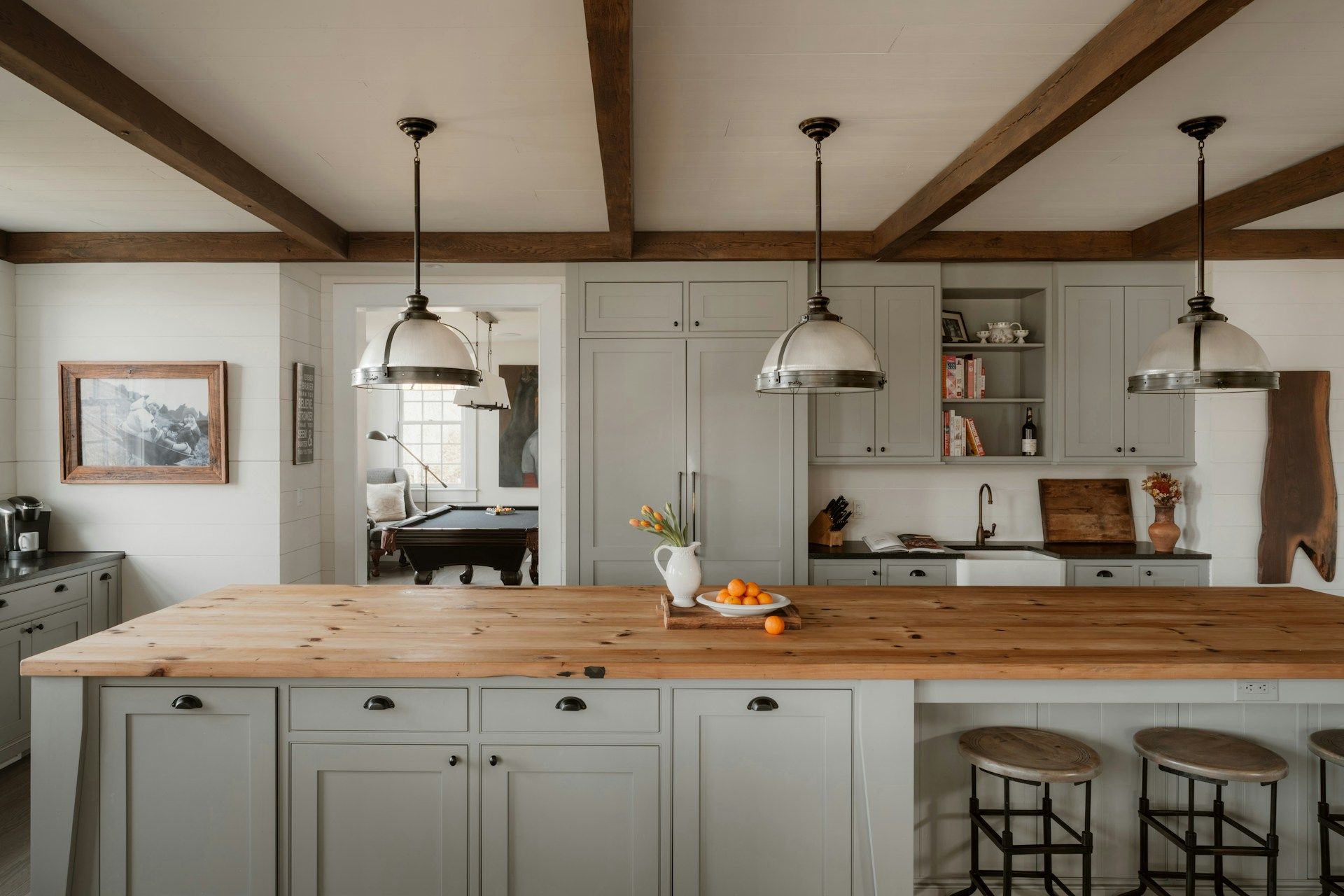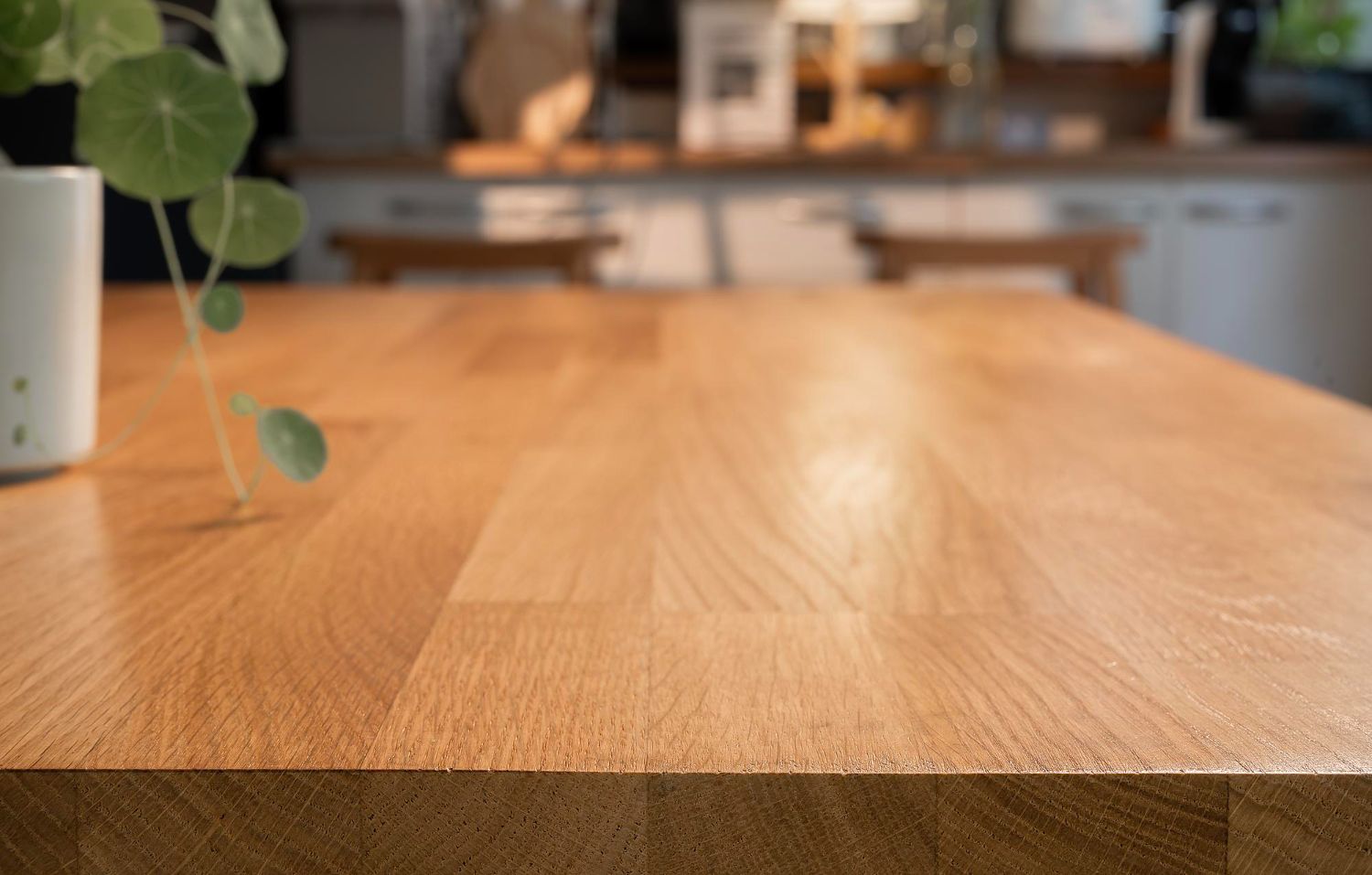

A wooden countertop adds warmth and character that never goes out of style. It gives a space a natural feel, turning kitchens or islands into welcoming spots for everyday life. But not every wood surface is made the same. Some handle heavy use with ease, while others show signs of wear pretty quickly.
If you have ever wondered why one wooden countertop holds up through years of cutting, spills, and hot pans while another gets bruised and worn quickly, it often comes down to a few simple things. The kind of wood, how it is built, the finish, and even where it sits in your kitchen all matter. Let’s walk through what makes some last longer than others and stay looking their best.
What Makes Some Woods Tougher Than Others
The first thing that impacts how well a wood surface holds up is the type of wood used. There are two main groups to keep in mind: softwoods and hardwoods.
Softwoods, such as pine or fir, are more likely to dent or scratch during regular use. Hardwoods are stronger and can handle daily bumps a lot better. If you are placing heavy pots on your counter, hardwood is a smarter option.
Popular hardwoods we often work with include:
• Maple, which is dense, light in color, and holds up well over time
• Oak, known for its visible grain and strong structure
• Walnut, darker in tone and naturally resistant to wear
The grain in the wood also plays a part. Tight or straight grain tends to make the surface more reliable in the long run. Open or wide grain may feel more rustic, but it can make the wood more prone to problems like cracking or uneven wear. Wood choice directly affects how a countertop ages. At The Southside Woodshop, we offer an extensive range of wood species, edge treatments, construction styles, and finishes, so your countertop can be tailored to your kitchen and how you use it every day.
The Role of Craftsmanship in Daily Durability
Even the strongest wood will not hold up if it has not been put together the right way. The way a wooden countertop is crafted affects how it handles pressure, moisture, and regular use.
Sanding makes sure the surface feels smooth and does not collect water. Gaps or rough spots trap moisture and can start to break down over time, so careful, even sanding is a must.
Joinery, the way pieces of wood are joined together, affects how strong the surface stays over time. Good joints help prevent the top from shifting, splitting, or warping. If the joining is left to shortcuts or glue alone, the surface will not stand up very well.
Custom shaping also matters. Every kitchen is a little different, so shaping the wood to fit properly around sinks, edges, or corners helps lower the chance of sudden cracks or water damage in those tricky spots. A solid build makes a wooden countertop feel smoother and stronger, day after day. Each countertop we make is handcrafted by our skilled artisans using premium-grade lumber, which helps it stand up to years of regular use.
Finish Matters: Choosing the Right Surface Protection
The finish you pick is not just about looks. It is what shields the wood from spills, heat, and all the things that happen in a busy kitchen. Some finishes soak into the wood, while others sit on top to create a barrier.
Here are a few common types and how they work:
• Oil finishes soak in and bring out the natural color of the wood
• Wax finishes give a soft shine but may need frequent touch-ups
• Sealers form a top layer that guards against water and stains
A good finish makes cleanup easier and can keep the wood from drying out, which helps prevent splitting. When the surface is protected the right way, it takes less effort to keep it looking nice and smooth. The wrong finish, or no finish at all, can lead to trouble fast. It is one of the biggest reasons some wood countertops wear out before their time.
Using the Countertop in Real Life
How and where a wooden countertop is used can really change how long it lasts. High-traffic areas near sinks or stoves are more likely to take on moisture or heat, both of which can stress the wood.
Here are a few everyday choices that keep things in good shape:
• Always use a cutting board instead of slicing directly on the wood
• Wipe up spills right away to keep water from soaking in
• Put protection underneath hot pots or pans to avoid heat damage
People move around their kitchens in different ways. Some spots get used more than others. That uneven wear can make problems show faster in one corner of the counter while the rest looks good. Thinking about the layout makes a big difference. Keeping cleaner areas near wood and using tougher materials near high-moisture zones helps keep things balanced.
A Lasting Look That Works Every Day
Some wooden countertops age beautifully. Others struggle to make it through the first few years. What makes the difference is not just luck. It is the right wood paired with good craftsmanship and a lasting finish.
When these parts come together, wood holds up better. It stays solid even with the wear of daily cooking, spills, and cleanup. Simple things, like where the counter is placed and how it is used, also have a big effect over time.
If you want a countertop that keeps looking great through real-life use, it helps to know what to watch for. The better it is built and finished, the less worry you will have about dents, cracks, or water spots showing up too soon. A smart wood choice today means less work and stress later. We back our wood countertops with a lifetime warranty against manufacturing defects, so you can feel confident they will stay part of your kitchen for years to come.
At The Southside Woodshop, we believe the right materials and thoughtful design make all the difference in a space you use every day. If you are planning a kitchen update or designing a new build, it helps to know what to expect from each type of surface. Choosing a well-built, properly finished
wooden countertop means fewer problems over time and a smoother experience from the start. We are here to help you decide what fits your home and lifestyle best. Contact us with questions or to get started.
Share Article
Our Latest Spotlight!