
Warm up the Heart of Your Kitchen Island
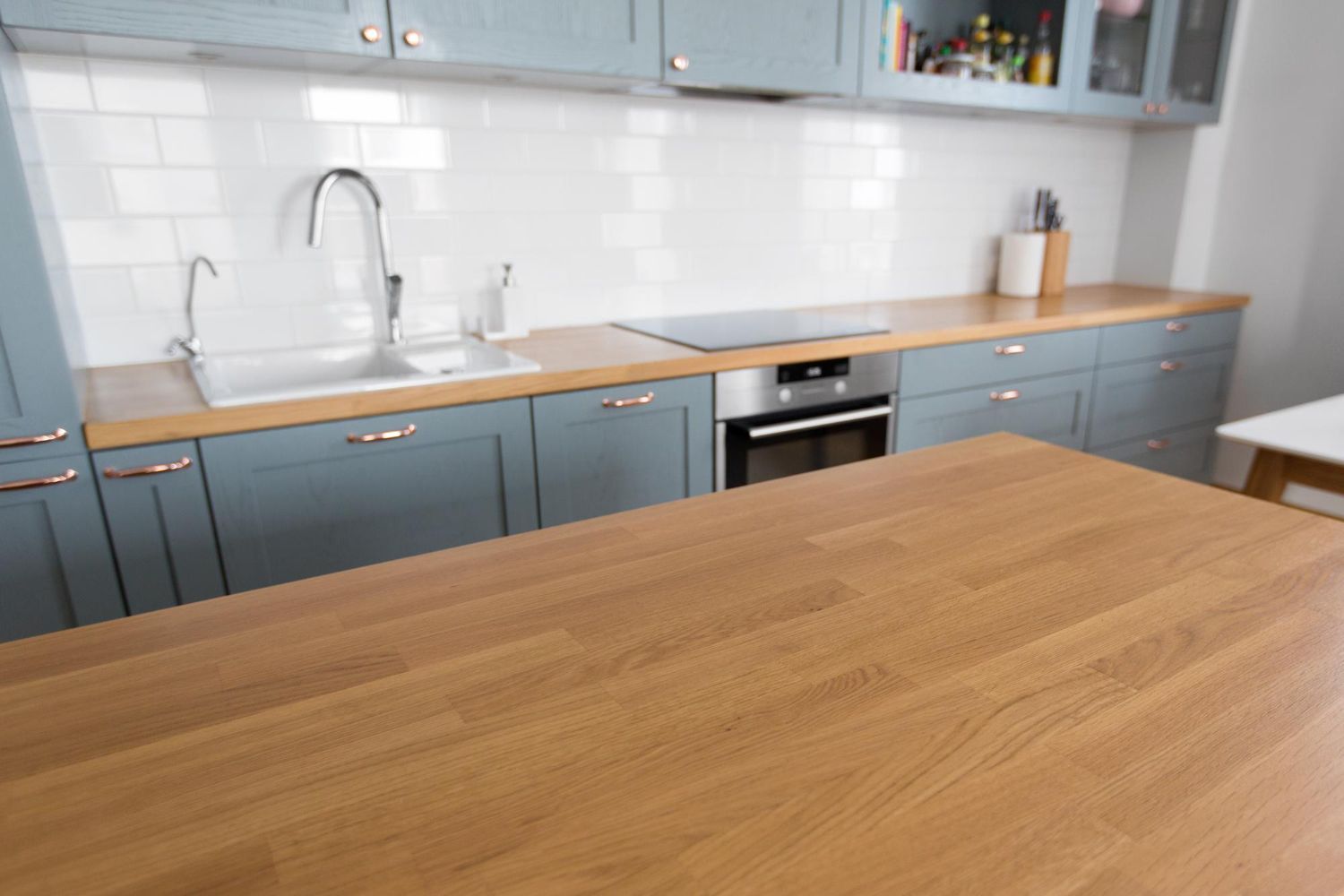
A kitchen island top does more than hold dishes and groceries. It is the place where people lean, chat, snack, and spread out everyday life. As late-summer evenings move indoors, that surface becomes the landing zone for homework, board games, and big pots of comfort food.
Many islands are topped with cold, hard material that looks nice but does not invite you to stay. Solid wood feels different. It has warmth, texture, and natural movement that make the island feel more like a favorite table than a work station.
At our shop in Portsmouth, VA, we design and build custom wood and butcher block countertops that ship ready to install across the country. When you rethink your kitchen island top in solid wood, you do not just change how it looks. You change how your whole kitchen feels and how you use it every single day.
Why a Solid Wood Kitchen Island Top Changes Everything
Wood is kind to hands, elbows, and forearms. When you lean on a solid wood kitchen island top, it does not feel icy or harsh. It has a gentle give that makes it comfortable for long talks, laptop work, or rolling out cookie dough with kids.
That simple comfort shifts how the kitchen works. People naturally gather where it feels good to sit and stay. A wood island often becomes the spot where everyone ends up, even if the rest of the kitchen is empty.
On the style side, solid wood brings the look of custom furniture into the center of the room. Things that affect the overall feel include:
- Grain patterns that can be straight and calm or bold and full of movement
- Natural color shifts from board to board that give depth instead of a flat field of color
- Edge profiles that range from clean and square to soft and rounded or more detailed
With the right layout, a wood island top can hold different zones that fit modern life:
- A prep area near the stove or sink
- A serving ledge where snacks and drinks land
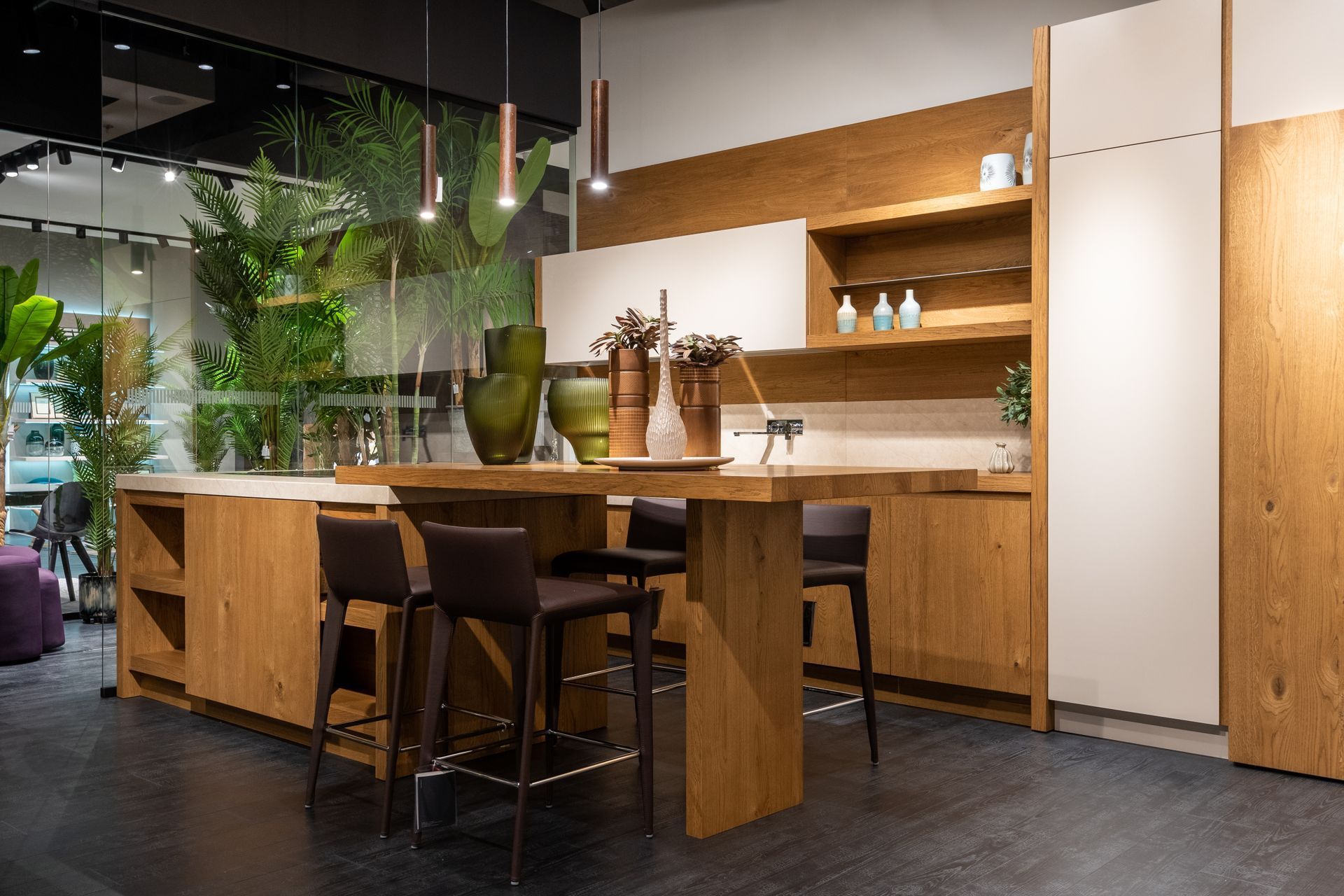
- A seating side with more overhang so stools slide in smoothly
From a quick late-summer cookout to a weekend breakfast spread, wood quietly supports it all without feeling cold or formal.
Choosing the Right Wood for Your Island and Counters
Not all hardwoods act or age the same way. Picking the right species for your kitchen island top and counters is about both look and lifestyle.
Here are some popular choices many homeowners consider:
- Walnut: Deep, rich color with dark grain, great when you want drama and warmth
- Maple: Light and creamy, smooth grain, a good choice for a bright, clean look
- White oak: Natural, slightly golden tone with visible grain, works well in classic or modern spaces
- Cherry: Warm reddish tone that deepens over time, adds a softer, traditional feel
- Hickory: Strong contrast in color and grain, perfect if you like a bold, rustic look
You can mix species to highlight the island. A darker walnut kitchen island top with lighter maple perimeter counters feels like a furniture piece in the middle of the room. Or you can keep everything in the same wood for a calm, unified look.
Design details that make a big difference include:
- Thickness: A thicker top feels more like a table and gives extra presence
- Edge profile: Softly rounded edges feel friendly and help protect against bumps
- Construction style: Wide plank for a classic table feel, or butcher block for a more active, patterned look
- Finish sheen: From matte to a gentle glow, it changes how much the light plays on the surface
At The Southside Woodshop, we shape these details to match how you cook, gather, and move around your space.
Butcher Block Countertops for Real-World Kitchens
Butcher block countertops use smaller pieces of hardwood glued together, often in edge grain or end grain layouts. This creates a stable work surface that can handle heavy daily use, especially on a kitchen island.
Butcher block shines in high-use areas, such as:
- Main prep zones where you chop and slice
- A section of the island top set up as a baking center
- A work strip beside the range where cutting boards never leave the counter
You can combine butcher block with other solid wood tops or other materials. For example, a butcher block inset on one end of the island can be the dedicated prep station, while the rest of the island top stays more formal for serving and seating.
Style and function come together through:
- Species choice, like light maple for an airy, simple look or walnut for more depth
- Grain orientation, where edge grain gives clean lines and end grain offers a checkerboard style that is gentle on knives
- Finish, which can lean more natural for hands-on prep areas or more sealed for spots used mainly for serving
The result is a kitchen island top that works hard and still reads as a beautiful centerpiece.
Everyday Use and Care Made Simple
A solid wood or butcher block kitchen island top does not demand fussy care. A few simple habits keep it looking good for years.
Helpful day-to-day routines include:
- Wipe spills soon instead of letting liquids sit
- Use trivets or pads for hot pots and pans
- Use cutting boards unless the top is designed for direct chopping
- Avoid letting water stand around sinks or faucets
Finishes also affect care and feel. Two common approaches are:
- Food-safe oil finishes, which soak into the wood, keep a natural touch, and are easy to refresh when the surface looks dry
- Film finishes, which sit on top of the wood, give more protection from spills, and offer a slightly smoother, sealed feel
As seasons shift from late summer humidity to dry winter heat, wood will naturally move a bit. Proper construction and installation leave room for this movement so the top stays stable. Basic care, like keeping indoor humidity from swinging to extremes as much as possible, also helps your counters stay happy.
Designing Your Custom Island Top with Confidence
Getting the right size and layout for a kitchen island top starts with how you hope to use it. Think about:
- How many people you want to seat at the island
- How much space you need for prep versus serving
- How wide the walkways around the island should feel
A little extra overhang where stools tuck in can turn an island from a work block into a hangout spot. Too much overhang on all sides can make the island feel bulky or awkward, so balance is key.
You also want to plan for sinks, appliances, and storage. Cutouts for sinks or cooktops, space for trash pullouts, and clear paths to the fridge and stove all shape how the island top will work. A good layout keeps the busy cooking zone on one side and the relaxed seating on the other, so guests are close but not in the way.
Homeowners and designers often come to The Southside Woodshop with a mix of ideas and questions. We help sort through:
- Wood species that fit both the look and the level of use
- Stain options to warm up or cool down the natural color
- Edge profiles that match the rest of the kitchen style
- Layout details so the island truly becomes the heart of the room
When a kitchen island top is thoughtfully designed in solid wood, it feels less like a surface and more like the place where home actually happens.
Get Started With Your Project Today
If you are ready to upgrade your space with a custom wood surface, we are here to help you design a
kitchen island top that fits your home and lifestyle. At The Southside Woodshop, we work closely with you to select the right wood species, finish, and details for a one-of-a-kind centerpiece. Share your ideas with us and we will guide you through every step from concept to installation. Let us bring your vision to life with craftsmanship that lasts.
Share Article
Our Latest Spotlight!