
Kitchen Island Tops by Wood Species for Chopping vs. Baking vs. Serving
August 23, 2026
Choose the Right Kitchen Island Top for How You Cook
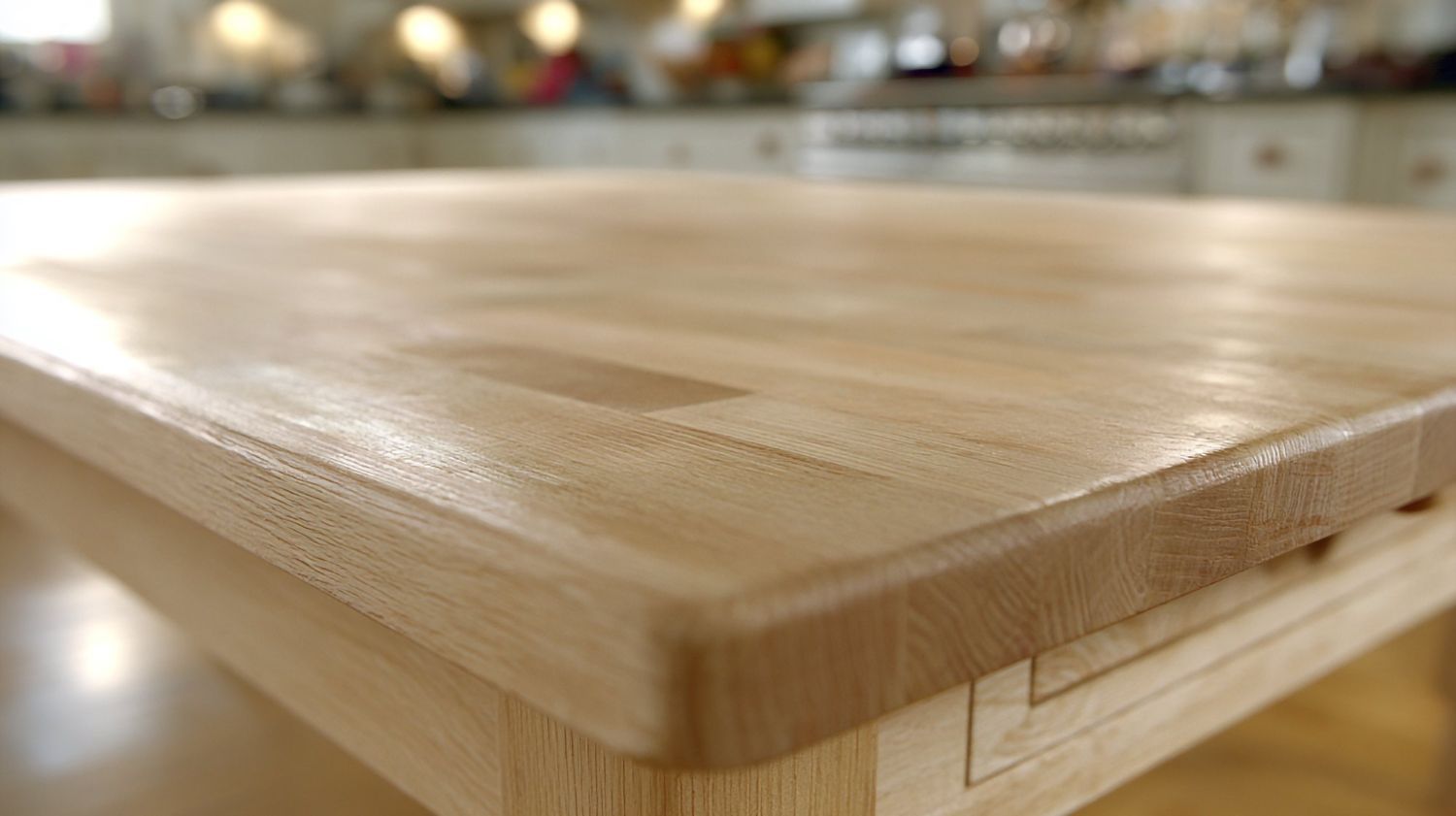
The best kitchen island top is the one that matches how you actually cook. For many homes, the island is where chopping, baking, and serving all happen in the same square of space. That is a lot to ask from one surface, especially during late-summer cookouts and the start of holiday planning.
Wood gives you a chance to shape that space around your real habits. By choosing the right wood species, grain direction, and finish for each task, your island can feel better to work on, hold up longer, and look warmer and more inviting. At our Portsmouth, VA workshop, we build custom wood and butcher block countertops and ship them ready to install across the country, so we pay close attention to how each island will be used day to day.
Wood Choices and Grain for Chopping and Heavy Prep
If you do a lot of knife work, you need a tough, forgiving work zone. Hard maple and walnut are both excellent choices for a chopping focused kitchen island top.
Maple is:
- Light and clean in color, which brightens the kitchen
- Very hard and tight-grained, good against dents and knife marks
- Easy to blend with white, gray, or painted cabinets
Walnut is:
- Darker and richer, with deep brown and chocolate tones
- Slightly softer in feel under the knife, but still durable
- Great for anchoring a space and adding warmth in open layouts
For daily chopping, grain orientation matters almost as much as species. Edge grain tops are popular for prep areas. The boards stand on their edge, so you see thin strips running the length of the counter. This setup gives you:
- Good hardness and stability for heavy use
- Clean, linear lines that work in modern or classic kitchens
- Less visual noise than full end grain
End grain, where you see the growth rings as small squares, is even more forgiving on knives and can take a lot of chopping. Some people like a dedicated end grain section built into the main island for the hardest work, paired with edge grain or face grain around it. We often blend grain orientations in one custom top so each zone suits its task.
For chopping areas, we suggest a food-safe oil or oil-and-wax blend finish. An oil finish:
- Is safe for direct food contact
- Lets you sand and re-oil small spots as needed
- Ages into a natural patina as knife marks and use build over time
It is normal to see marks in an oiled prep surface. With regular cleaning, light sanding when needed, and fresh oil, the wood stays safe, smooth, and attractive, even as it shows its history.
Setting up a Baking and Pastry Zone
If you roll a lot of dough, you want a surface that is smooth, stable, and kind to flour and pastry. Hard maple and beech are both strong options here. Their grain is even and fine, so dough glides easily. Their lighter color makes it simple to see flour, cocoa, or bits of dough.
For baking, many people like:
- A dedicated section of the island at a comfortable working height
- A deeper front-to-back space for rolling out pie crusts or cookie dough
- Clear space around that area so flour does not mix into wet prep zones
A smooth face grain surface works very well for pastry. Face grain shows wide boards with their full pattern on top, so you get a flatter, more continuous area for rolling and cutting. It creates an integrated pastry-friendly work surface right in your kitchen island top.
Finish matters too. For a true pastry zone that sees direct contact with dough, an oil finish is usually best. It:
- Keeps the surface food-safe
- Allows light sanding if something sticks or stains
- Does not chip like a heavy film finish
You do need to avoid strong cleaners on oiled pastry areas, since residue could affect dough. For parts of the island nearby that see more spills from syrups, sauces, and mix-ins, a low-sheen film finish can be a good match. Satin or matte film finishes are easier to wipe and help resist sticky messes, but should not be the surface you knead on.
Stable hardwoods like maple and beech also deal well with seasonal changes in humidity, from muggy late-summer to dry winter heat, which helps your baking zone stay flat and pleasant to work on.
Warm, Elegant Tops for Serving and Entertaining
Serving areas have a different job. They hold drinks, appetizers, buffet dishes, and often act as the social hub when friends gather. You might not chop there, but you still want a surface that feels special.
Walnut, cherry, and white oak all shine in these zones:
- Walnut offers deep, rich color that pairs nicely with black fixtures and bold hardware
- Cherry starts reddish and deepens with time, adding classic warmth
- White oak brings grain character and a natural look that suits many cabinet colors
For serving and hospitality zones, a durable film finish is usually the best choice. Professional-grade coatings like conversion varnish, applied in a satin or matte sheen, make everyday life easier. They:
- Help resist stains from wine, sauces, and cocktails
- Stand up to frequent wiping with mild cleaners
- Give the wood a finished, furniture-like feel
Design details can really set a serving area apart. Popular options include:
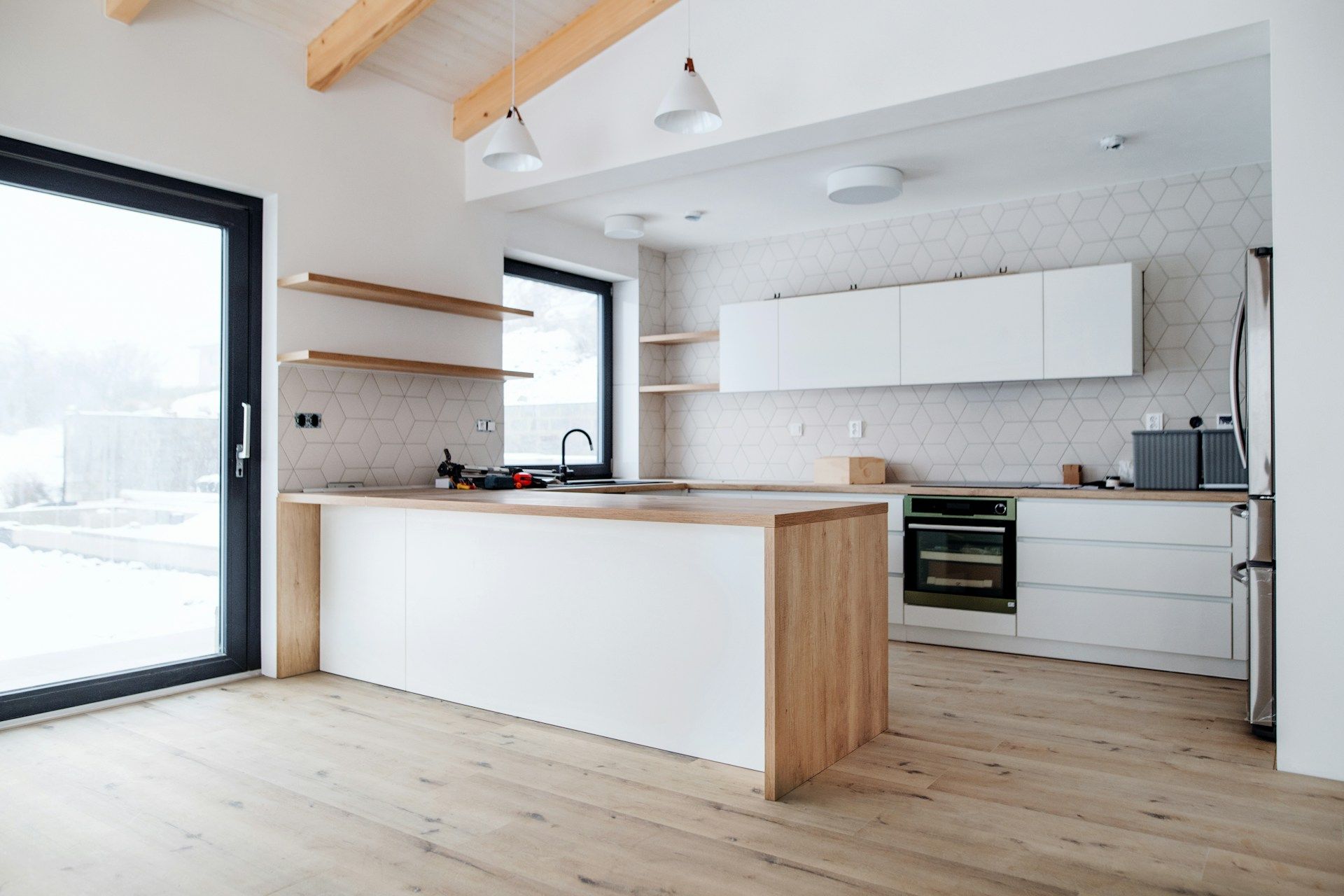
- Waterfall edges, where the top runs down the side of the island
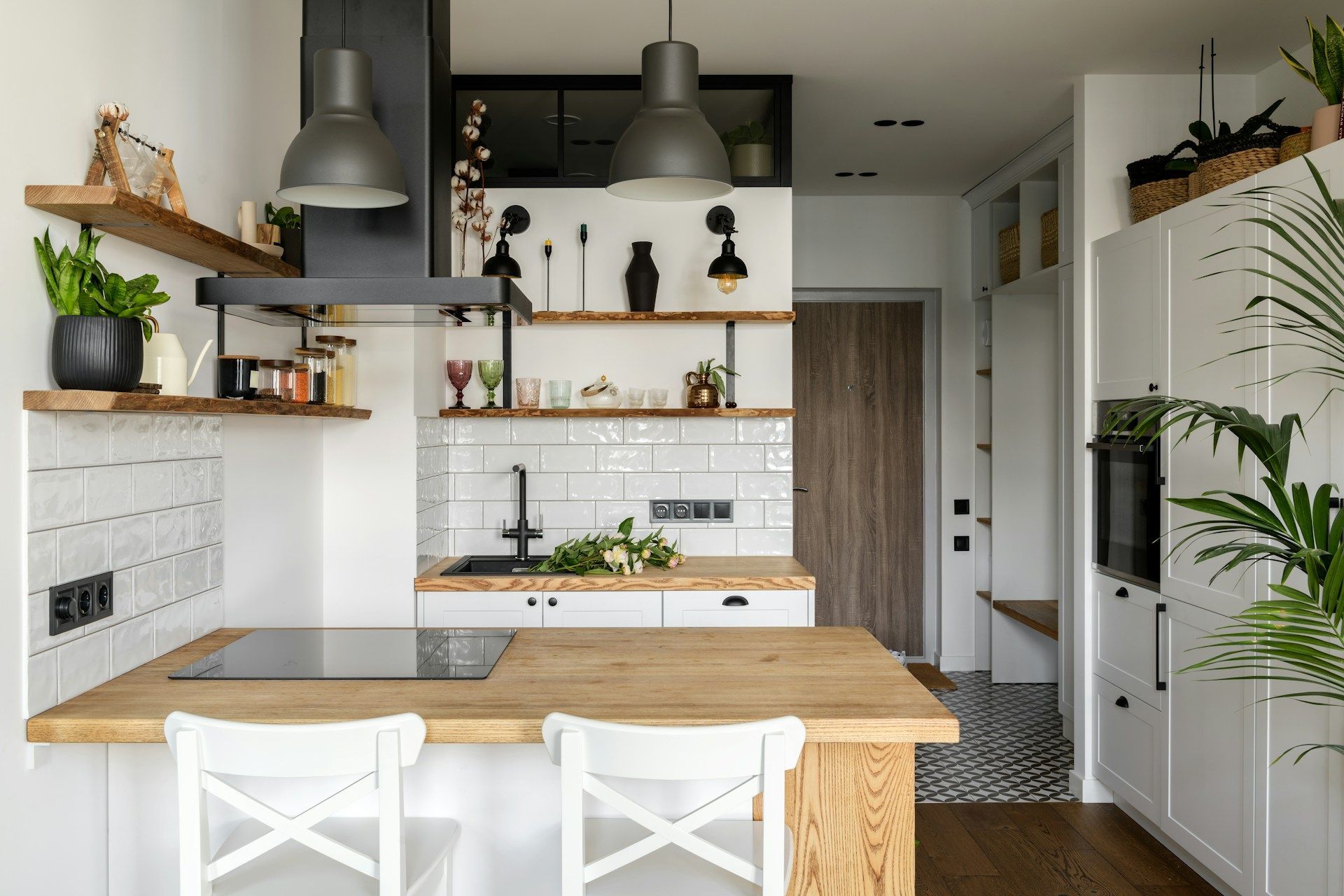
- Overhangs sized for comfortable bar or counter-height seating
- Mixed-species borders or inlays that visually frame the serving edge
By adjusting edge profiles and thickness, the island can look more like a custom piece of furniture than a simple work surface.
Combining Tasks in One Custom Kitchen Island Top
Most kitchens do not have space for three separate islands, so we often combine chopping, baking, and serving in one top. The trick is zoning.
One layout might include:
- A maple edge grain section on one end for heavy chopping
- A smooth maple face grain area in the center for rolling and shaping
- A walnut face grain perimeter along the seating side for serving and warmth
Subtle changes can separate zones without breaking up the look. For example:
- A thin walnut strip between prep and serving sides
- A small shift in thickness where the bar overhang begins
- Grain direction turning at certain seams to signal a new task area
Some people like their island top to match their perimeter counters. Others prefer a bold contrast, such as a dark walnut island with light counters, or the reverse. Both choices work, as long as the function is clear.
Planning with your installer and fabricator is key. It helps to share:
- How often you cook and bake
- How many people usually help in the kitchen
- Where your sink, cooktop, and appliances sit in relation to the island
That information guides where each zone should live and which wood and finish combo will serve you best.
Care and Seasonal Maintenance for Long-Lasting Beauty
Once your island is in place, simple habits keep it looking good. For daily care:
- Use mild soap and water on film-finished serving areas
- Wipe oiled prep zones with a damp cloth, then dry right away
- Do not use harsh chemicals or soak the wood
After a big chopping day, scrape any debris, wipe, dry, and add a light coat of oil if the surface looks dry or lighter in color. For pastry zones, brush off flour, wipe with a barely damp cloth, and let the wood fully dry before covering or using again.
Wood moves a bit with the seasons. Late-summer humidity in places like coastal Virginia can swell the grain slightly, while winter heat can dry it out. Stable hardwoods and proper sealing help, but it is still wise to:
- Re-oil oiled sections when they start to look dry
- Watch for tiny gaps or movement near seams and walls
- Protect finished areas from standing water near sinks or dishwashers
Use cutting boards only if you want to keep some parts pristine, and always use trivets under hot pots and pans. Wipe spills quickly, especially dark or acidic liquids.
One of the biggest advantages of a handcrafted solid-wood kitchen island top is that it can be refreshed. Oiled prep zones can be sanded and re-oiled. Film-finished serving areas can often be repaired or refinished instead of replaced, letting your island grow and age with your cooking life.
Get Started With Your Project Today
Bring your design ideas to life with a custom wood surface crafted just for your home. At The Southside Woodshop, we will work with your dimensions, style, and daily needs to create a durable and beautiful
kitchen island top. Share your vision with our team so we can recommend wood species, finishes, and details that fit your space and your budget. Reach out today and let us help you move from inspiration to a finished centerpiece in your kitchen.
Share Article
Our Latest Spotlight!