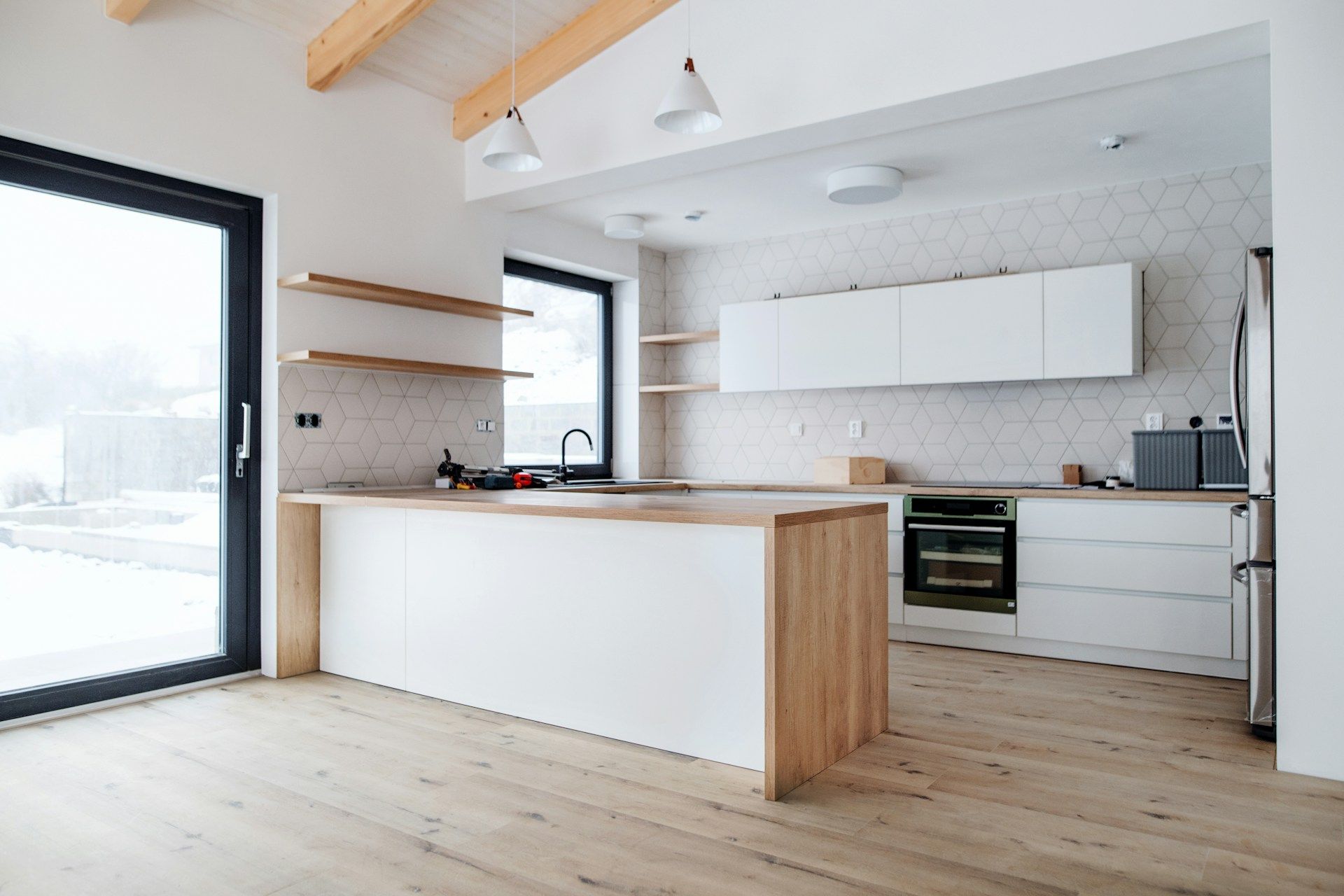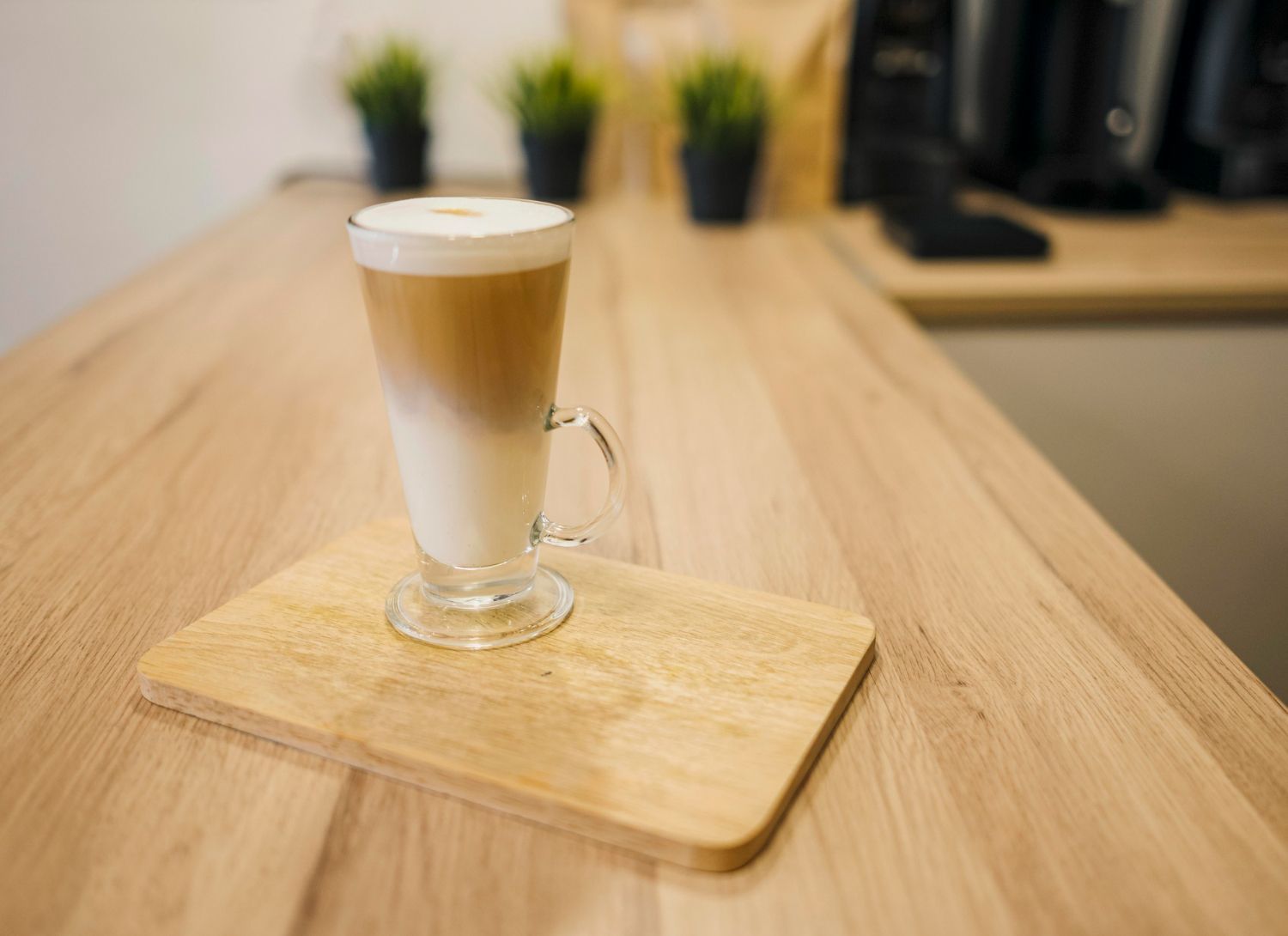

The kitchen island is where everything happens. It’s where we prep for dinner, pack lunches, roll out dough, and catch up over coffee. Choosing the right butcher block for island prep can make a big difference.
The thickness of the wood isn’t just about appearance; it changes how the surface feels, lasts, and holds up under daily use. Thinner blocks might be easier to handle, but thicker ones take more wear. Every kitchen runs differently, so we plan accordingly. At The Southside Woodshop, each butcher block island top is individually handcrafted from premium-grade lumber, with thickness and construction chosen to support real-world daily use. Picking the right thickness helps the island truly fit the space and its purpose.
Why Thickness Matters for Kitchen Islands
Butcher block thickness plays a big role in how comfortable and sturdy the island feels. Thicker wood can handle more daily use without flexing or wearing too fast. Large countertop spaces need better strength underneath; a thicker top holds steadier over time, while thinner cuts may need extra support against shifting or bowing.
Thicker butcher blocks have clear benefits for long-term use:
- They feel more solid and stable during food prep
- They resist dents and marks from knives or heavy tools
- They’re better for load-bearing sections, like seating overhangs or wide spans
Thus, thickness becomes an essential part of the overall design.
Common Thickness Options and What They’re Best For
Most butcher blocks come in thicknesses of 1.5 inches, 2 inches, and 3 inches, each suiting different kitchen layouts and workloads.
Here’s a quick look at how these differences show up:
- 1.5 inches: lighter weight, easier to install, best for lighter use
- 2 inches: a middle ground ideal for prep work, everyday use, and durability
- 3 inches: strong, substantial, and great for heavy chopping or professional kitchens
Heavier blocks not only perform differently, they look different too. A thick slab makes a statement, it feels grounded and permanent, fitting naturally into the hub of the kitchen. Choosing the right thickness also helps create a countertop that works well with surrounding cabinets, flooring, and overall design thanks to our range of wood species, edge treatments, construction styles, and finishes.
Island Function and Matching the Block
Not every kitchen island is used the same way. Some are built mostly for gathering and eating, while others serve as the main space for chopping, food prep, and cooking. If an island sees daily action with cutting boards, knives, and hot pans, a thicker butcher block makes sense; it lasts longer, resists denting and heat, and can handle an occasional dropped pan.
If the island is more about seating, working on a laptop, or holding dishes, a thinner top might be sufficient. It still offers the warmth and beauty of wood without carrying a heavy load.
For kitchens that do a bit of everything, a middle option usually works best:
- 2-inch thickness for islands used for both prep and entertaining
- 3-inch for heavy daily use or cooking with hot, heavy, or sharp items
- 1.5-inch for display or lighter use where durability is less of a concern
Ultimately, it’s about how the island fits into daily life.
Supporting the Wood from Below
As the block gets thicker, the weight increases. The base cabinets must be ready to carry the load; otherwise, things can shift, settle, or feel uneven over time. Heavier butcher blocks often need stronger bracing or wider spacing for secure installation. It’s not just about holding the weight up; it’s about keeping everything settled over the years.
A few measures help keep thicker blocks in place:
- Strong corner support and cross bracing under the island base
- Proper spacing underneath to allow airflow between the wood and cabinet
- Anchoring methods that secure the block while allowing slight wood movement
Wood reacts to its environment, taking on moisture or drying out with the seasons. Allowing space to shift (without lifting or warping) keeps the island strong and safe over time.
Long-Term Care for Balanced Thickness
Thicker butcher blocks can endure more use and still bounce back. Over time, all wood surfaces develop marks or wear spots, but thicker ones can be resurfaced more than once if needed, unlike thinner blocks which leave less room to level out dents or scratches.
Balancing thickness with proper care helps the block look great year after year. A few considerations make a difference:
- Thicker blocks reduce the risk of splitting or bowing with weather changes
- Seasonal humidity can cause slight movement, so regular oiling helps
- Extra surface depth allows for gentle sanding or refinishing when needed
The right care keeps a butcher block smooth and pleasant to work on, while the extra material offers flexibility over time. We also back our wood countertops with a lifetime warranty against manufacturing defects, ensuring your investment stands up over time.
Built for the Way You Cook
When a butcher block is built to fit how you cook and use your kitchen, it stops feeling like just a surface and becomes part of your everyday rhythm. The right thickness brings comfort, strength, and a solid feel to the most-used spaces in the home.
Choosing the right butcher block for island prep depends on the true purpose of the space, whether for casual meals or full-on cooking sessions. A thicker block may be better for years of use at the center of a busy kitchen, while a lighter one might suit an island more focused on conversation and serving.
With the right fit, the whole space feels more natural. The island functions better, looks better, and holds up longer by matching the tools and space to the way real life runs.
At The Southside Woodshop, we are proud to help homeowners find the right fit by balancing style and functionality. When upgrading or remodeling your kitchen island, selecting the right surface enhances both aesthetics and daily use. Discover how a
butcher block for island can be customized to suit your cooking needs and lifestyle, and feel free to contact us with any questions or to discuss the best solution for your kitchen.

Share Article
Our Latest Spotlight!